News & Blog
Ajit Chakraborty (1930–2005): Form, Discipline, and the Quiet Modernism of Bengal Sculpture
Ajit Chakraborty (1930–2005) was a significant figure in the development of modern sculpture in Bengal, whose work reflects a sustained commitment to form, material integrity, and sculptural restraint. Belonging to the post-Independence generation of Indian sculptors, Chakraborty evolved a language that was modern in orientation yet grounded in rigorous academic training and a deep understanding of sculptural process.
Born in Bengal, Chakraborty was educated at the Government College of Art & Craft, Calcutta, where he received formal training in modelling, carving, and casting. His education coincided with a critical transitional phase in Indian art pedagogy, when colonial academic realism was giving way to modernist concerns shaped by abstraction, primitivism, and international sculptural developments. This dual exposure—discipline of academic realism and the emerging language of modernism—played a decisive role in shaping his artistic temperament.
Chakraborty spent most of his professional life in Kolkata, which remained his primary base of work and intellectual engagement. Immersed in the city’s vibrant yet introspective art milieu, he participated in the larger dialogue shaping modern Bengal sculpture, while maintaining a distinctly personal and inward-looking practice. Unlike several contemporaries who pursued overt ideological or socio-political expression, Chakraborty remained steadfastly focused on the autonomy of form.
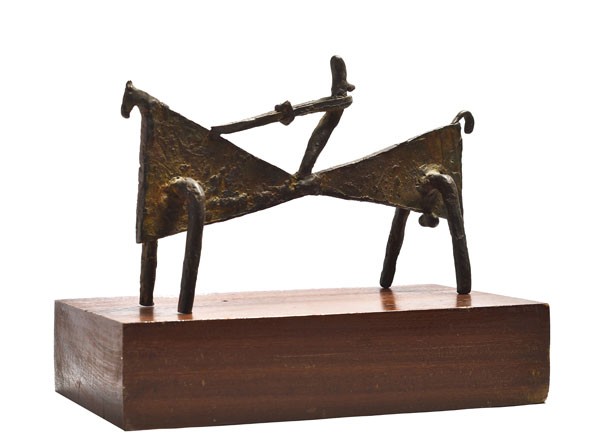
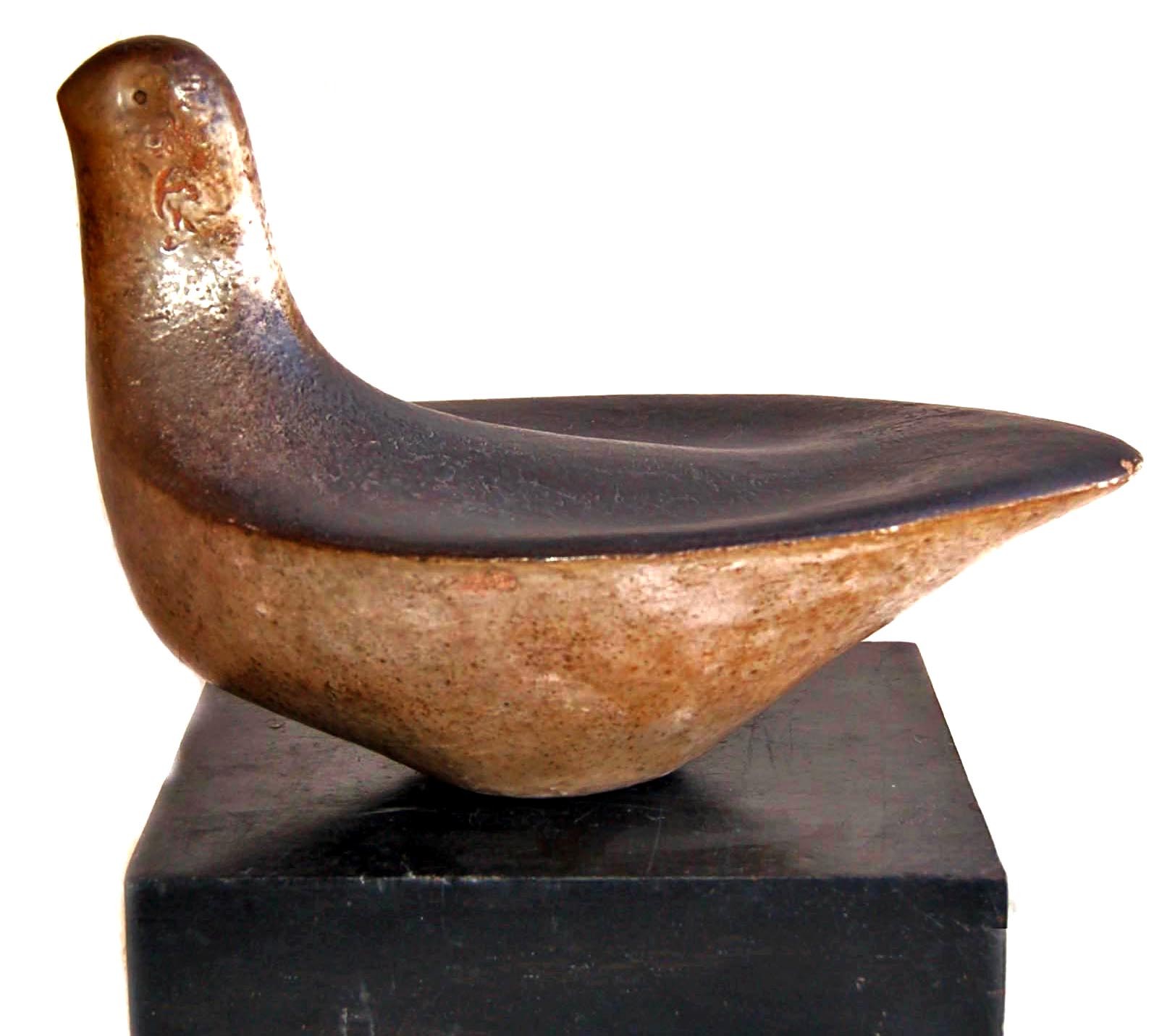
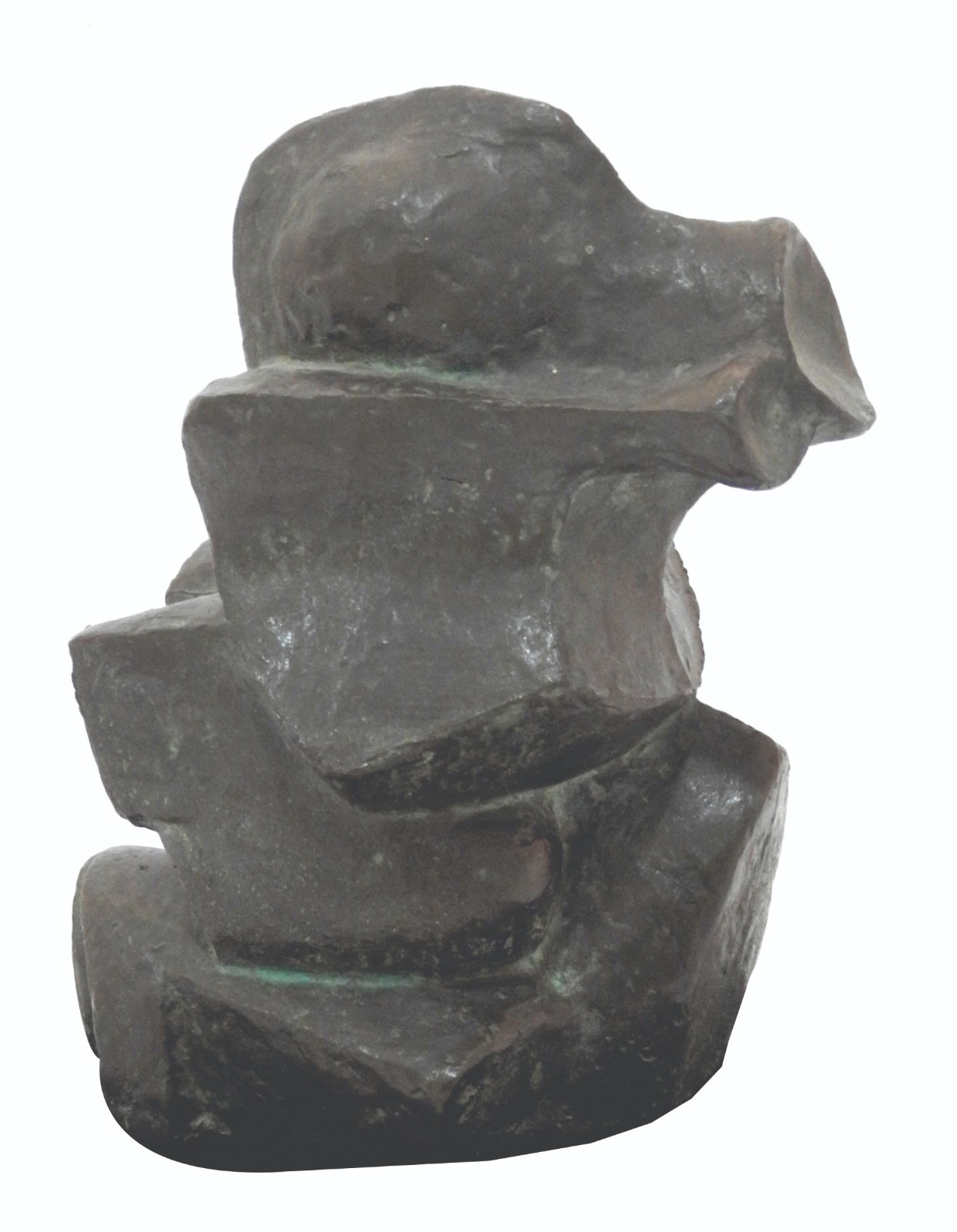
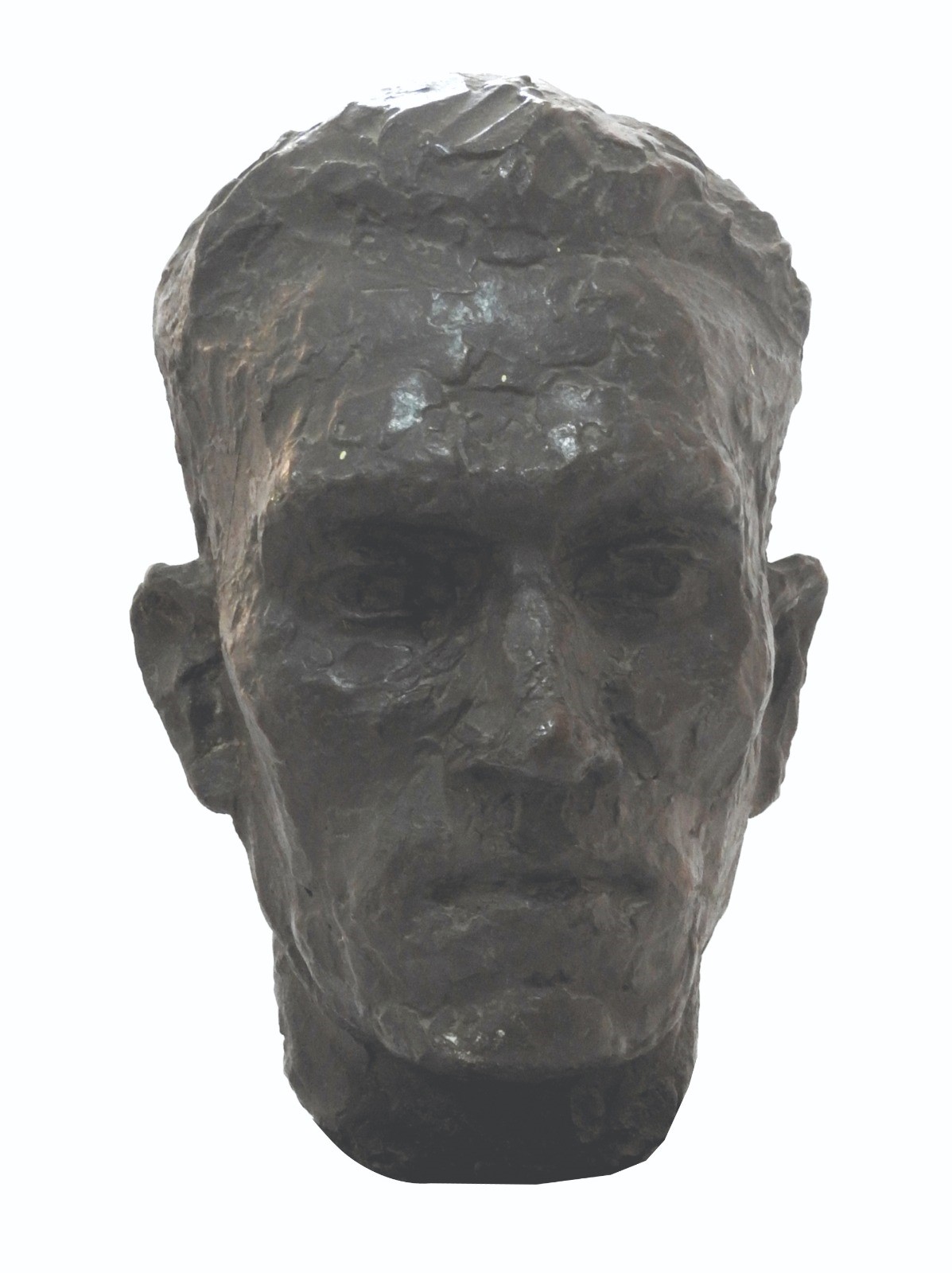
A defining feature of Chakraborty’s sculpture is its architectural sensibility. His works—executed in bronze, stone, and occasionally cement—are characterized by compact volumes, carefully balanced masses, and an internal coherence that resists dramatic projection into surrounding space. Forms appear grounded and self-contained, often suggesting an inward pull rather than outward expansion. This quality lends his sculptures a contemplative stillness, inviting slow and sustained engagement.
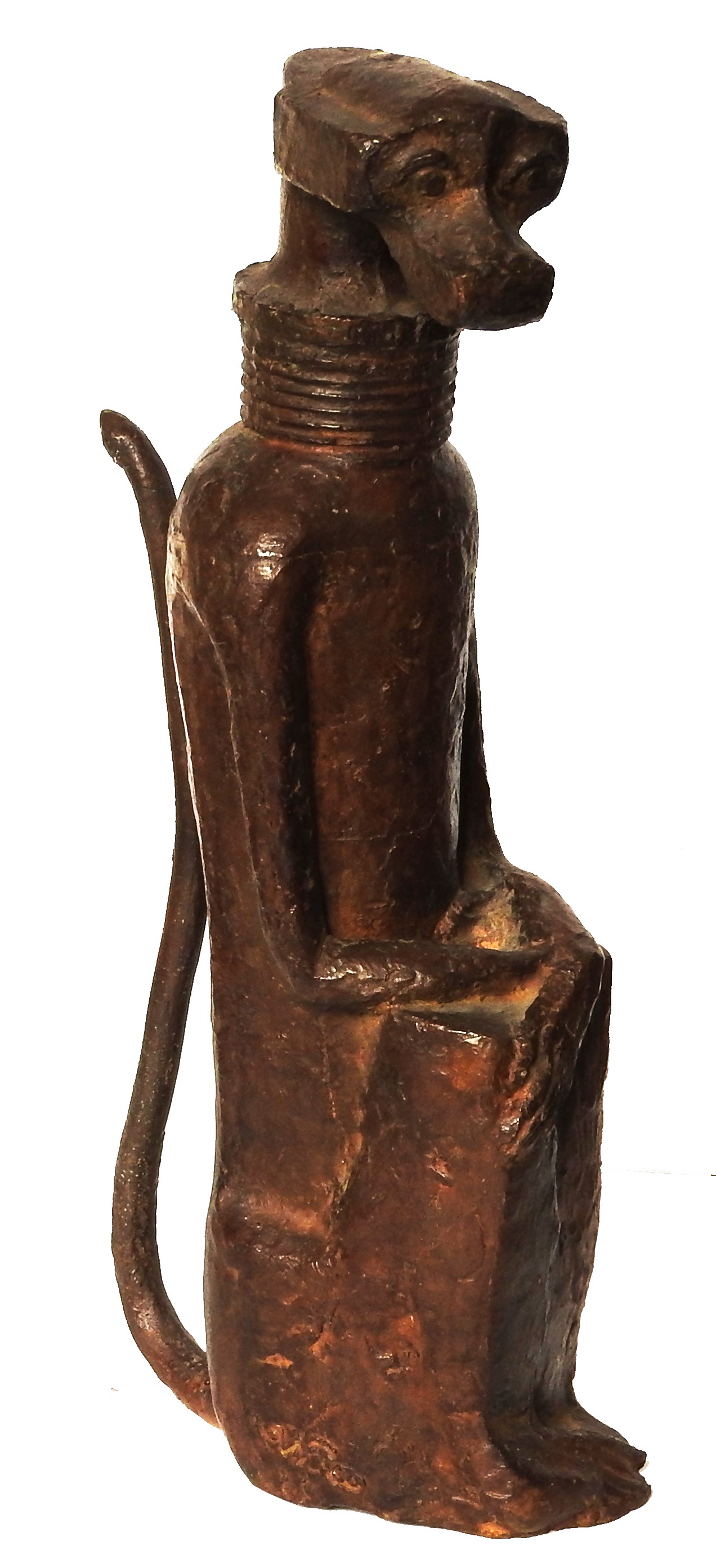
Although Chakraborty rarely produced literal figuration, the human presence remains an underlying reference in his work. Many sculptures evoke the memory of the human body—torsos, seated forms, or organic growths—without resolving into explicit representation. This strategy places his practice within a broader modernist sculptural tradition in which the body is abstracted, internalized, and transformed into structural essence rather than depicted anatomy.
Material played a central role in Chakraborty’s sculptural thinking. In bronze, his surfaces are restrained and sensitively worked, avoiding both excessive polish and aggressive texture. Light interacts subtly with form, enhancing volumetric relationships rather than surface drama. In stone, his sculptures emphasize weight, density, and permanence, often appearing hewn rather than modeled, reinforcing a sense of timeless solidity. Across materials, craftsmanship is evident as an ethical commitment rather than display of virtuosity.
Chakraborty’s work must be situated within the broader evolution of Bengal sculpture from the 1960s onward—a period marked by experimentation, ideological questioning, and expanding material vocabularies. While many sculptors of this era turned toward expressive distortion or explicit social commentary, Chakraborty pursued a quieter modernism. His sculptures do not reject the world; instead, they propose order, balance, and structural clarity as enduring sculptural values in an increasingly fragmented cultural environment.
The absence of overt symbolism in Chakraborty’s work is deliberate. Meaning emerges through formal relationships—compression and release, balance and repose, surface and volume—rather than narrative cues. His sculptures align closely with phenomenological approaches to modern sculpture, where bodily perception and spatial awareness become central to interpretation. Repeated viewing reveals subtle shifts in visual and tactile experience, reinforcing the temporal nature of sculptural engagement.
Ajit Chakraborty’s contribution to modern Indian sculpture lies in his consistency, discipline, and unwavering commitment to form. His practice bridges academic training and modern abstraction, tradition and introspection, individuality and lineage. In an art historical landscape often dominated by stylistic radicalism or conceptual immediacy, Chakraborty’s sculptures stand as affirmations of sculptural integrity and contemplative modernism. Quiet yet assured, his oeuvre occupies a durable and respected place within the canon of modern Bengal sculpture.