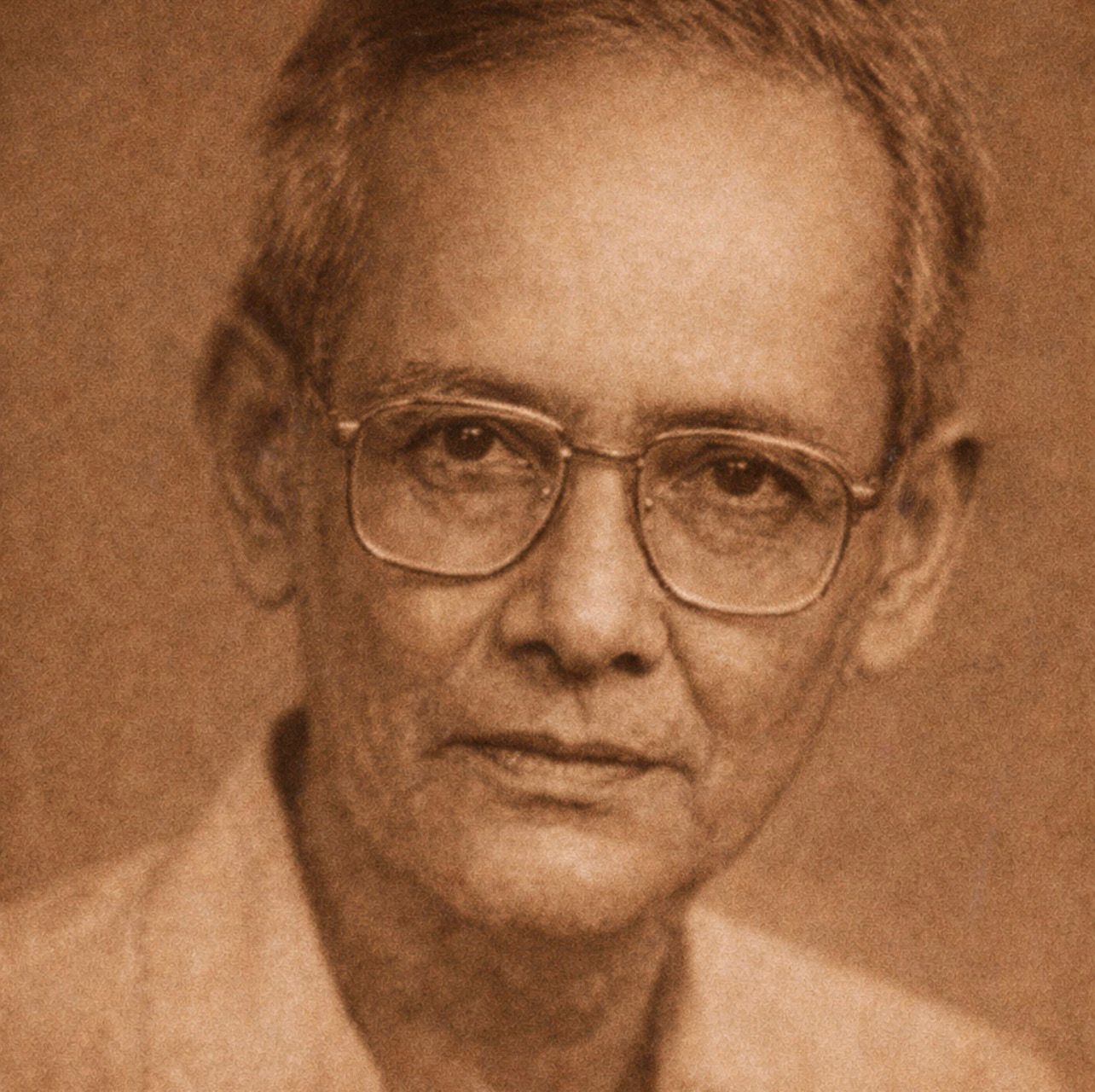
Amalnath Chakladar was a distinguished Indian painter and art educator whose work occupies an individual position within the history of modern art in Bengal. Born in 1936 in present-day Bangladesh, he graduated from the Government College of Art & Craft, Calcutta, in 1960. His formal training gave him a strong foundation in drawing, composition, and technique, while his mature practice developed through close observation of nature and everyday life.
Chakladar belonged to a generation shaped by several powerful artistic tendencies: the legacy of the Bengal School, academic naturalism taught in Calcutta’s art institutions, and the experimental modernism associated with Santiniketan. Although he was aware of these traditions, he did not submit entirely to any one of them. He developed a personal language distinguished by technical refinement, lyrical observation, and a quiet sensitivity to the visible world.
Nature remained central to his practice. Birds, animals, village scenes, flowing water, foliage, flowers, and atmospheric movement recur throughout his work. He was particularly attentive to delicate visual effects—the softness of grass, the movement of air, the texture of feathers, and the changing rhythms of water. These elements were not treated merely as decorative subjects. Through controlled observation and sensitive handling, they became vehicles for contemplation and emotional suggestion.
Visual Language and Technique
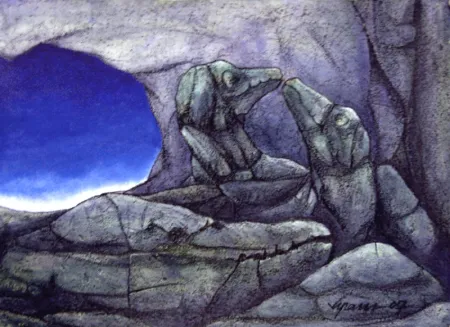
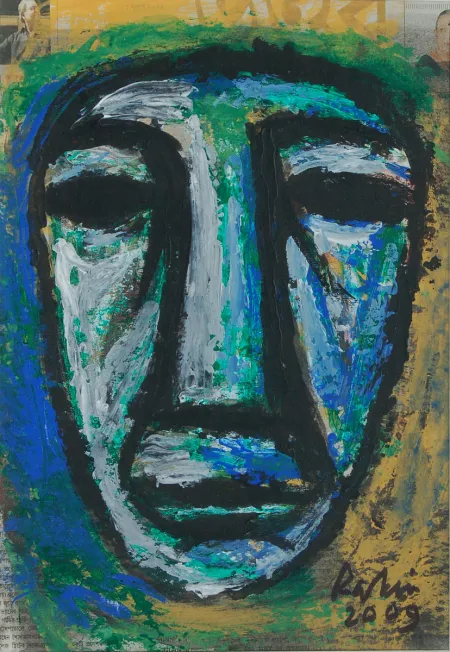
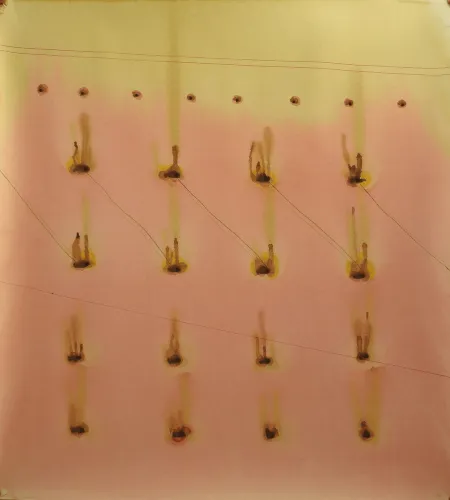
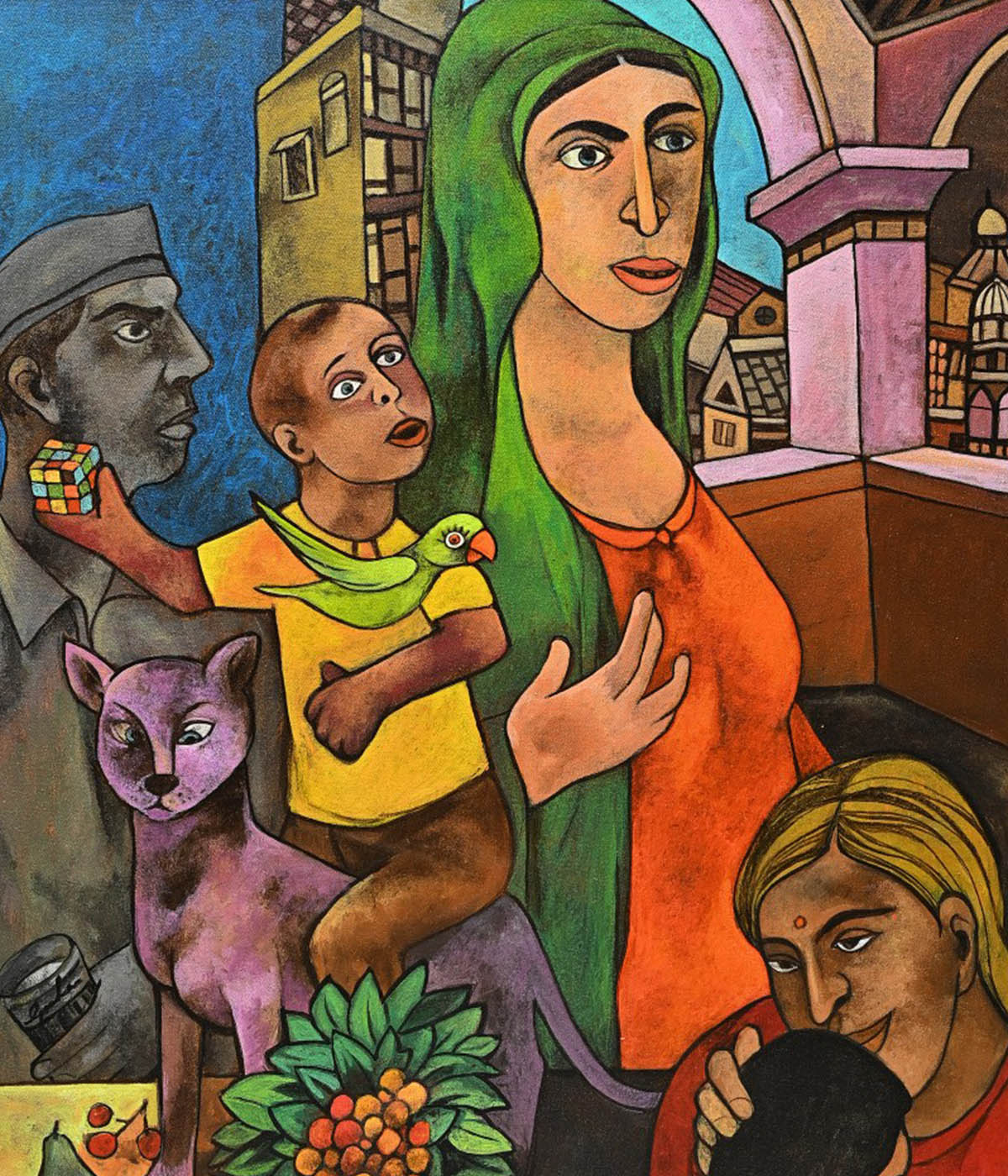
Chakladar worked in watercolour, tempera, pastel, soot, acrylic, and mixed media. His smaller works often reveal an extraordinary concentration of detail. Figures, animals, vegetation, and village settings are rendered through finely controlled lines and carefully modulated tonal relationships.
His descriptive skill was balanced by poetic interpretation. Even when the subject remained clearly recognisable, the image often moved beyond literal representation. Atmosphere, movement, and mood were as important as physical accuracy. This gave his paintings an intimacy that distinguished them from both academic realism and revivalist idealisation.
Animals and birds appear frequently in his oeuvre. Deer, horses, owls, swans, boars, village fowl, and other creatures are represented with close attention to bodily movement and individual character. Works such as The Deer, Fighting Birds, The Boar, Village Cock, and Grazing Horses demonstrate the breadth of this engagement. The subjects may appear gentle, humorous, alert, or symbolic, yet they remain rooted in careful observation. Aakriti Art Gallery currently documents twenty-three works by the artist across different media and periods.
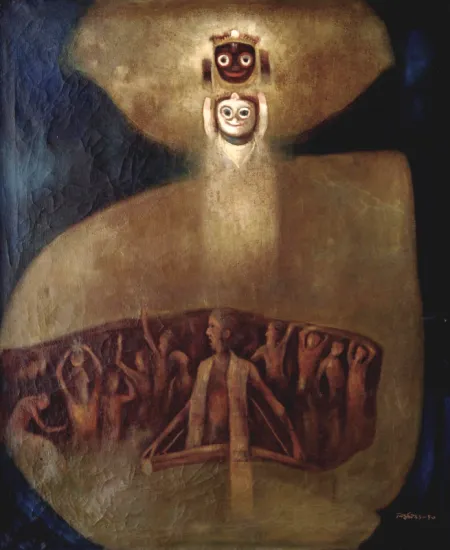
Although mythology was not the dominant concern of his art, Chakladar also produced images of deities and figures drawn from cultural tradition. In such works, including representations of Durga and Saraswati, he retained the delicacy and technical control characteristic of his treatment of nature.
Teaching and Institutional Contribution
Alongside his studio practice, Chakladar contributed to art education in Bengal. He taught at the Government College of Art & Craft, Calcutta, eventually serving as an Assistant Professor. Through this role, he participated in the institutional development of art education and influenced younger generations of artists.
His approach to teaching and practice reflected a disciplined respect for craftsmanship. Drawing, control of medium, and close observation remained essential to his understanding of artistic expression.
Exhibitions and Honours
Chakladar participated in several important exhibitions, including the Centenary Celebration of the Sepoy Mutiny in 1957 and Bengal Art Today in Hyderabad in 1992. His work was also included in later surveys of modern art from Bengal, including exhibitions organised by DAG in New Delhi, Mumbai, and New York.
He received the Rajya Charukala Pradarshani Award from the Government of West Bengal in 1987. He was also honoured with the Binod Behari Award in 2015 and the Shilpi Maha Samman in 2016 by the Government of West Bengal.
His works are represented in public and private collections in India and abroad.
Association with Aakriti Art Gallery
Amalnath Chakladar is represented by Aakriti Art Gallery, Kolkata. The gallery holds an important group of his paintings acquired from the artist’s family, including works in tempera, watercolour, pastel, mixed media, and soot. These works document the diversity of his subjects and techniques from the 1980s to the later years of his career.
Through the preservation and presentation of this body of work, Aakriti Art Gallery has contributed to renewed attention being given to an artist whose technical refinement and lyrical naturalism deserve wider recognition.
Amalnath Chakladar’s importance lies in his ability to unite close observation with poetic sensitivity. His paintings transform familiar aspects of nature and everyday life into carefully constructed visual experiences marked by precision, quietness, and emotional depth.