The Resurgence of the Indian Art Market
Growth, Confidence, and the Changing Global Position of Indian Art (2025–2026)
-- Research & Compiled by Aakriti Art Gallery team
After a prolonged period of cautious consolidation, the Indian art market is once again witnessing a strong resurgence during 2025–2026. The current momentum is not driven merely by speculative buying or isolated auction records, but by a broader structural shift involving economic growth, institutional confidence,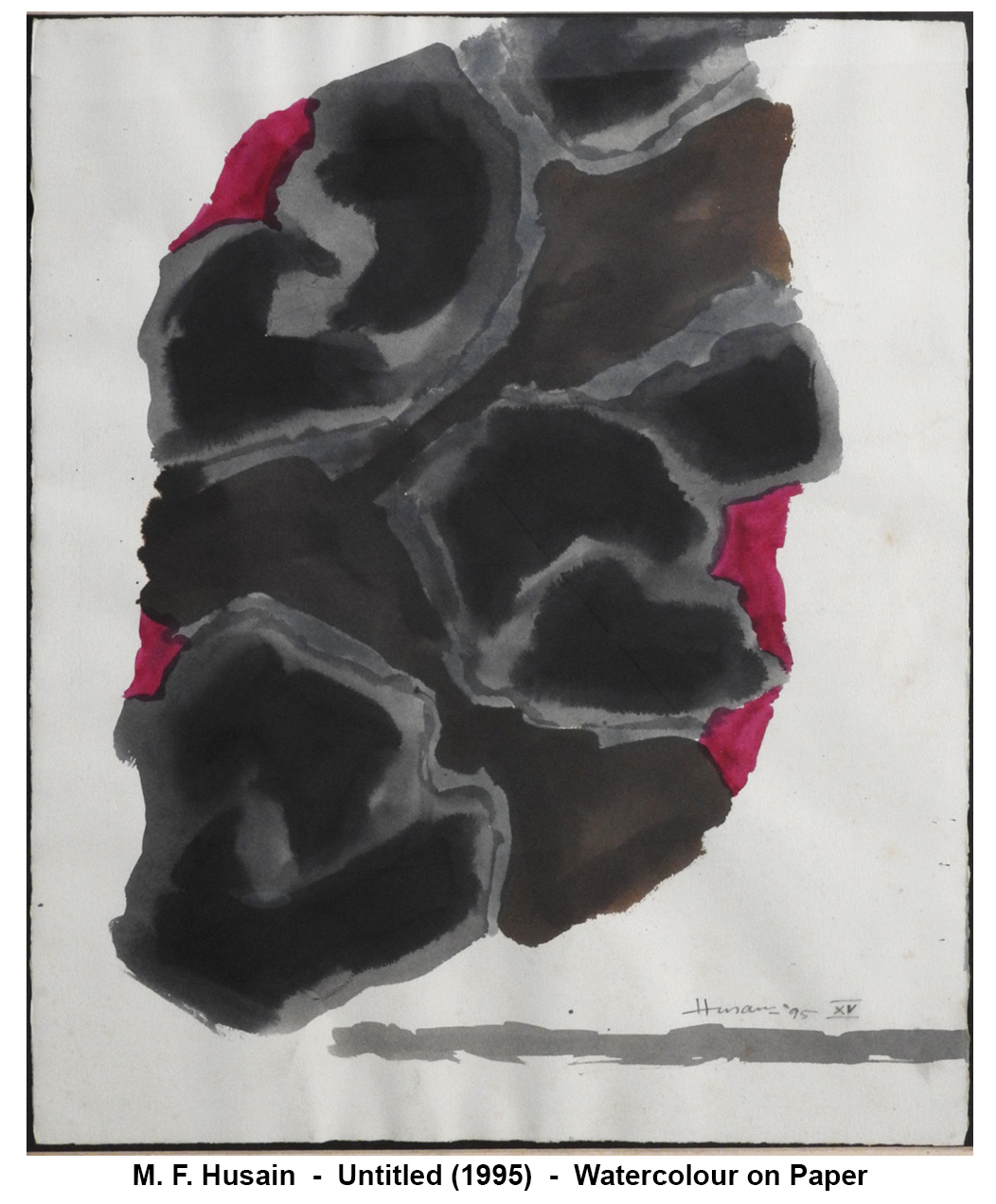 generational wealth creation, global visibility, and a renewed engagement with Indian cultural assets.
The international art market itself returned to growth in 2025 after several uneven years shaped by inflationary pressures, geopolitical uncertainty, and post-pandemic market correction. According to the Art Basel & UBS Global Art Market Report 2026, the global art market reached an estimated USD 59.6 billion in 2025, marking a 4% year-on-year increase. Auction sales rose by approximately 9%, while dealer-led private sales also demonstrated modest recovery. Although several Western markets continue to experience selective caution, confidence has gradually returned to major collecting categories, particularly modern and post-war art.
Within this broader context, the Indian art market has emerged as one of the more dynamic regional stories. Auction houses recorded significant increases in both transaction value and participation. Several landmark sales drew international attention, including major works by M.F. Husain crossing unprecedented price levels and high-value auctions at leading platforms such as Saffronart and Christie’s. 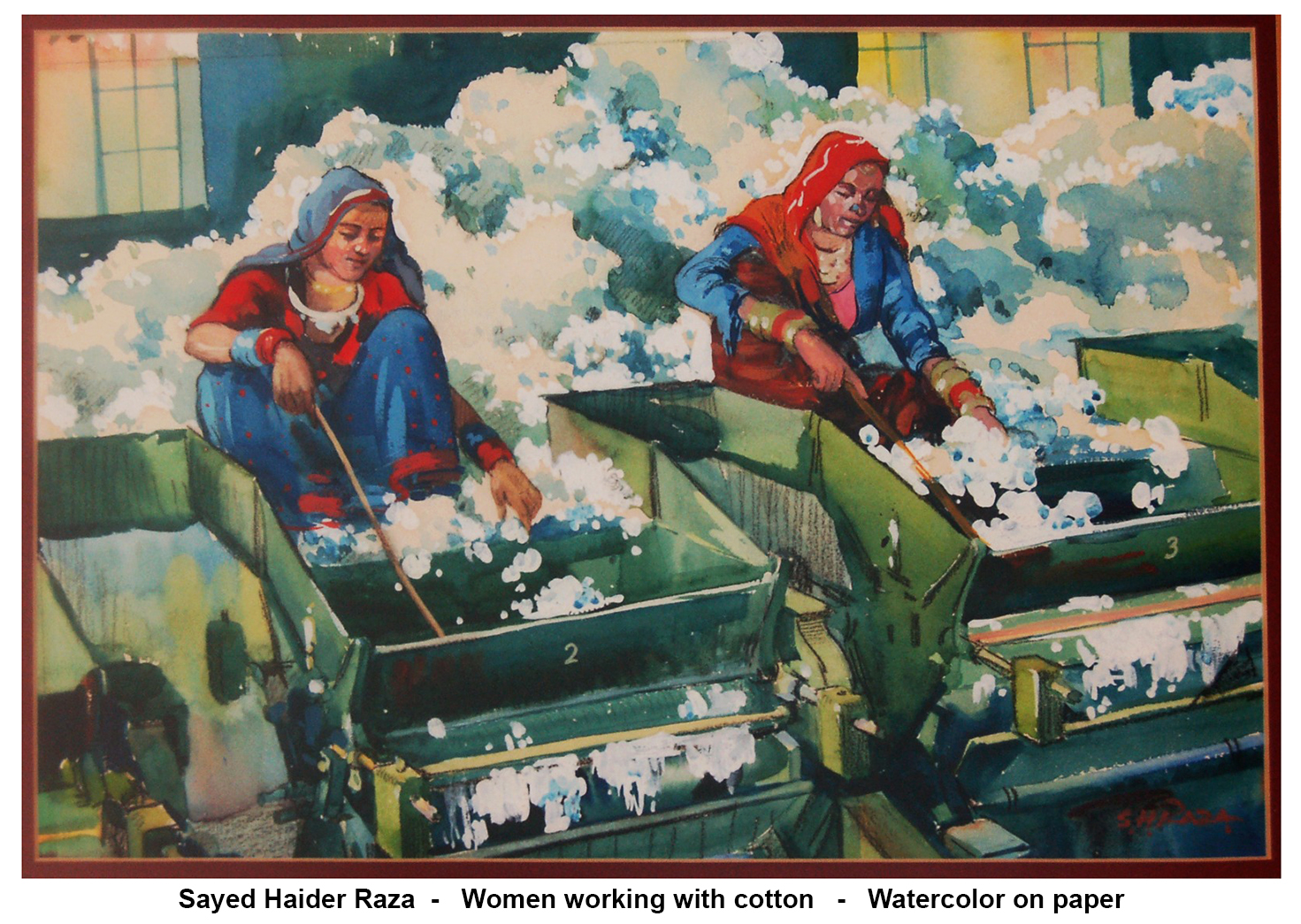 These headline results are symbolically important not only for pricing, but also for signalling renewed confidence in Indian art as a serious global collecting category.
However, the current resurgence extends far beyond a few marquee sales. One of the most important developments is the widening of the collector base itself. India’s expanding affluent and upper-middle-class population, combined with sustained GDP growth, has created a new generation of buyers increasingly willing to engage with art not merely as decoration, but as part of lifestyle, cultural identity, and long-term asset diversification.
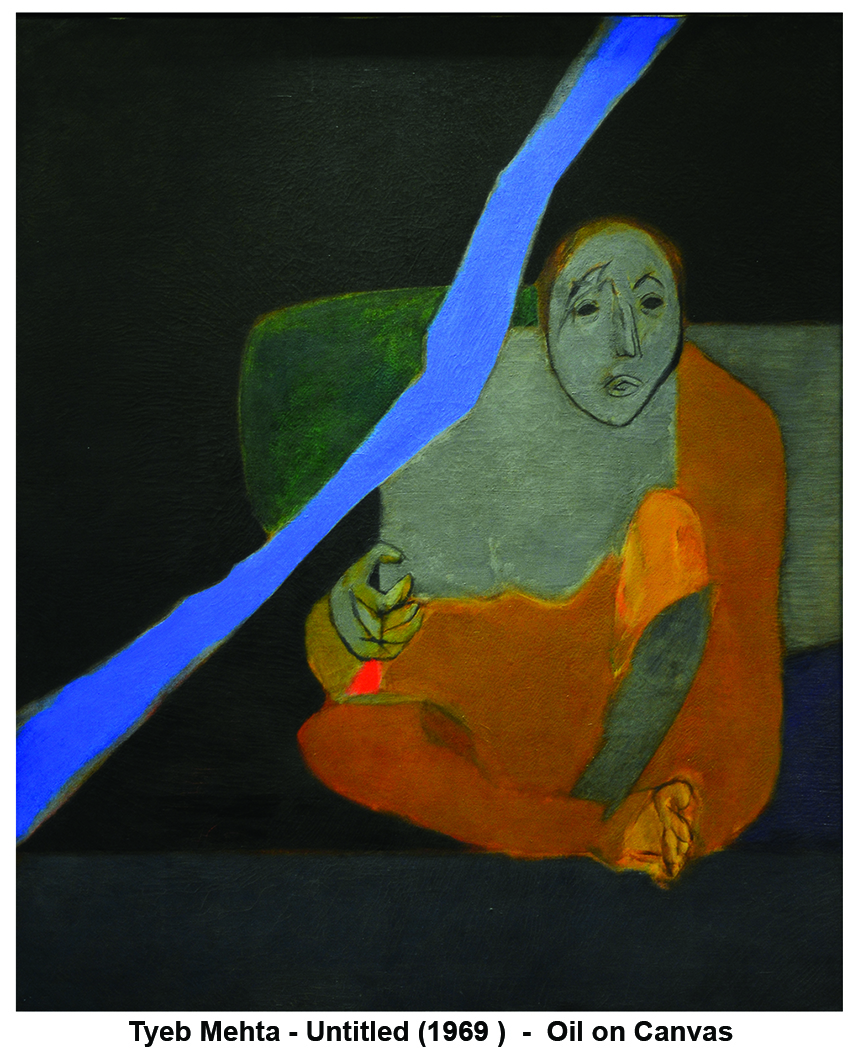
The Indian market today is structurally different from the highly concentrated collecting ecosystem of the early 2000s. While established modern masters such as S.H. Raza, F.N. Souza, Tyeb Mehta, M.F. Husain, Ram Kumar, and Ganesh Pyne continue to dominate the top tier, there is simultaneously growing interest in:
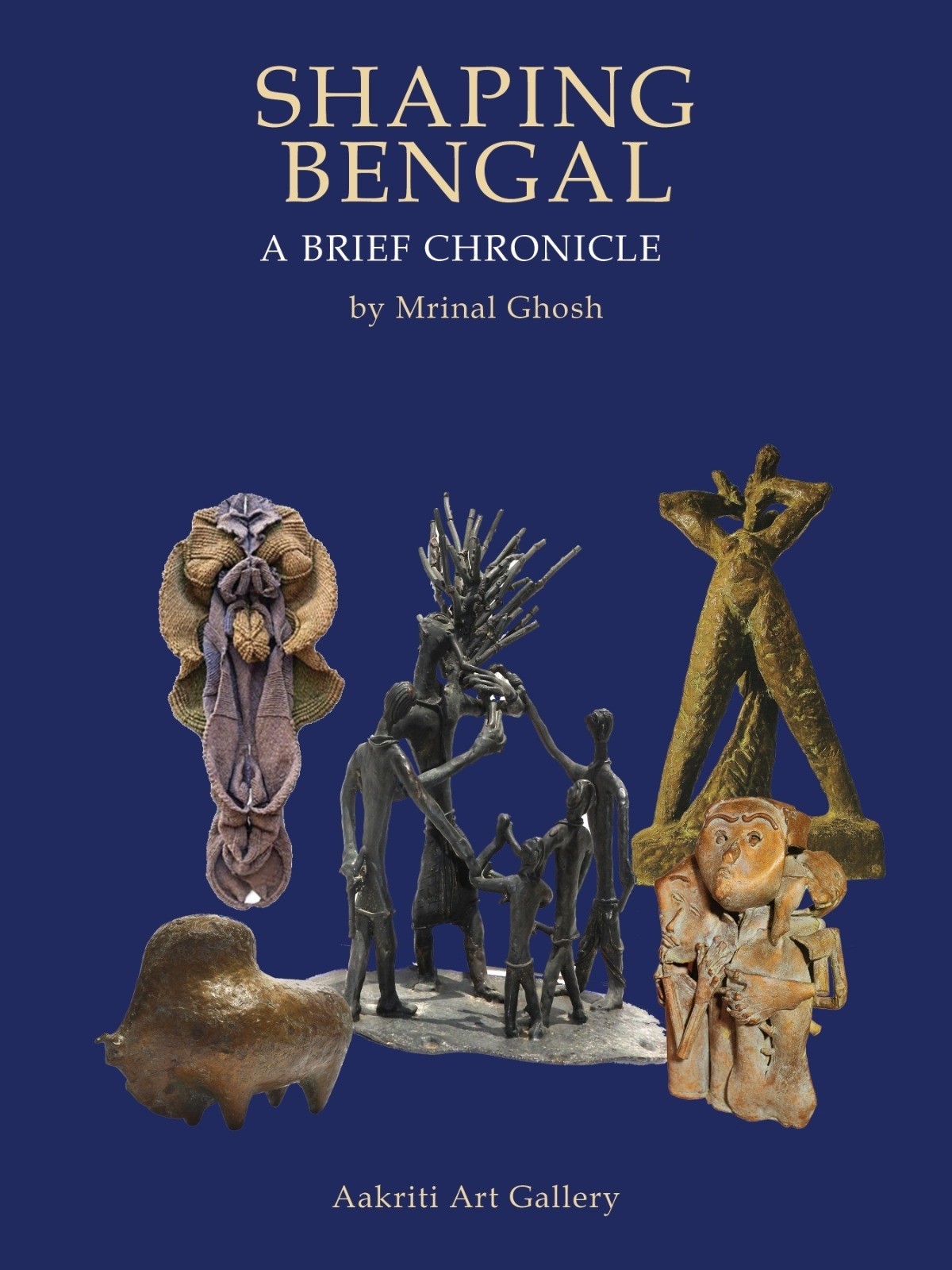
Bengal modernists, sculptors, printmakers, women artists, overlooked academic realists, regional modern movements, and younger contemporary artists.
This broadening is important because mature art markets are rarely sustained by a handful of iconic names alone. Depth emerges when scholarship, archives, galleries, publications, collectors, museums, and secondary-market confidence evolve together.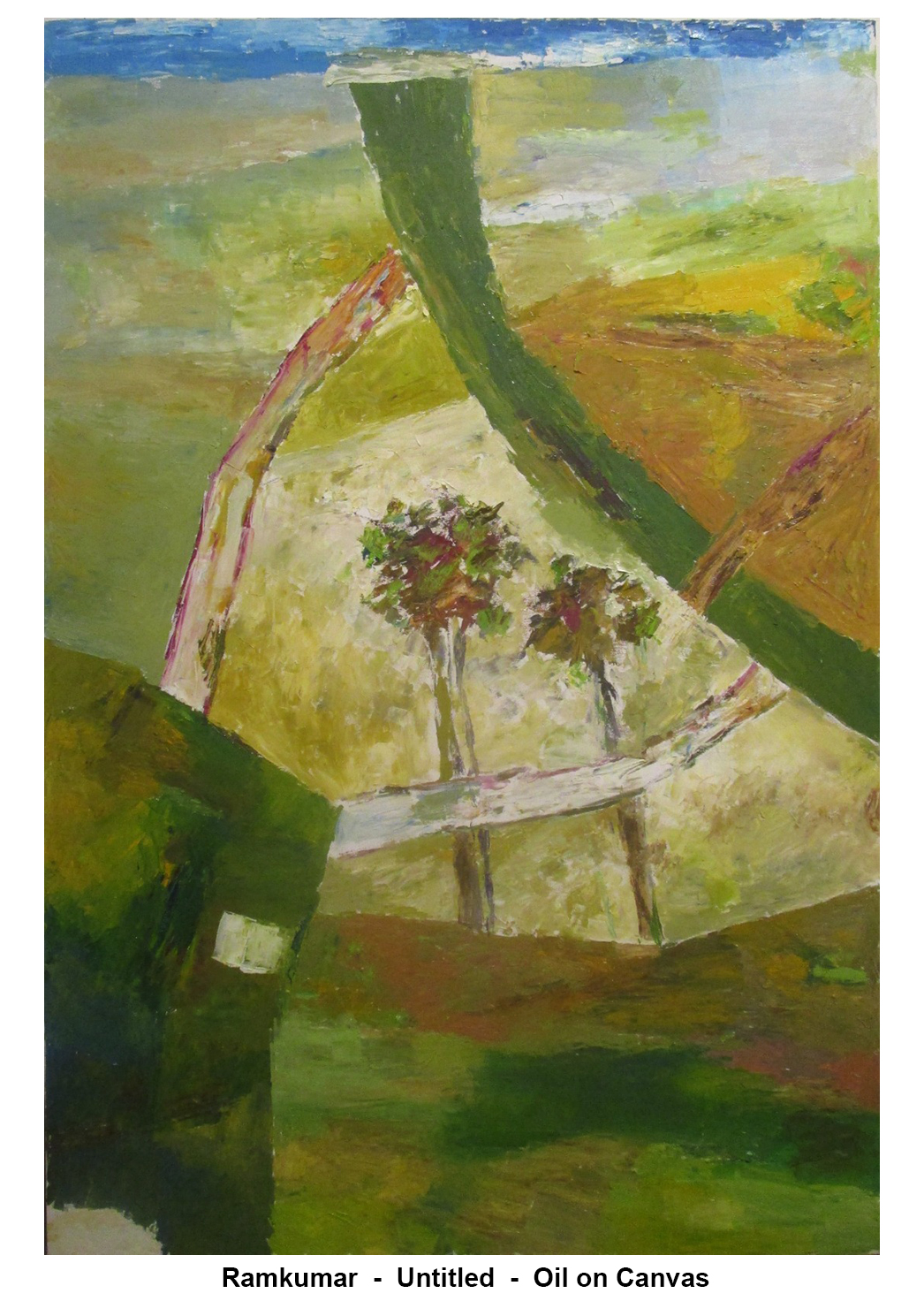
Another important factor contributing to the present momentum has been regulatory rationalisation. The reduction of GST on artworks from 12% to 5% in September 2025 lowered transactional friction and improved formal market participation. The change has positively impacted galleries, interior designers, consultants, and corporate buyers while encouraging greater invoice-based transparency within the organised art trade. In practical terms, the lower tax structure has made art acquisition psychologically and commercially more approachable for many new collectors.
The role of digital infrastructure must also be acknowledged. The pandemic accelerated online viewing, virtual exhibitions, collector outreach, and digital cataloguing. Today, serious collectors increasingly discover, research, and track artworks online before making acquisitions. Galleries investing in archives, editorial content, AI-assisted discovery, and digital storytelling are likely to benefit significantly over the next decade.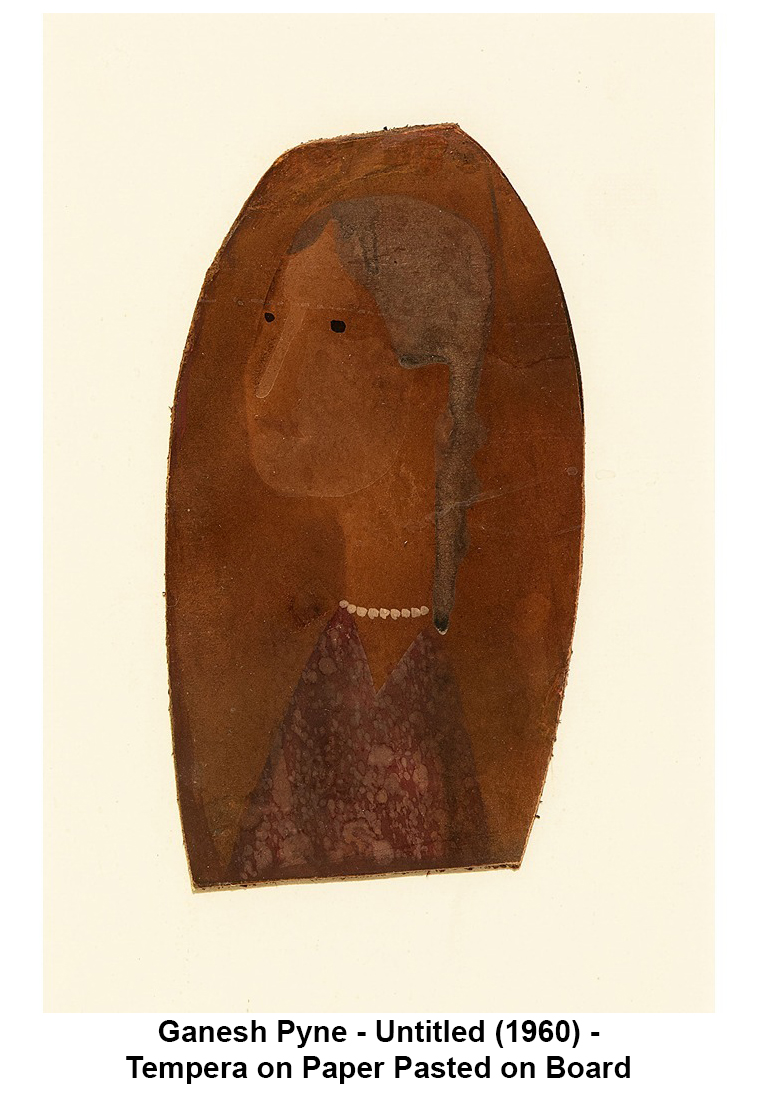
At the same time, Indian art remains comparatively undervalued in the global context relative to several Western and East Asian markets. While individual Indian modern masters have achieved strong international recognition, the broader ecosystem of historically significant Indian artists remains underrepresented in global museum collections and international scholarship. This creates both a challenge and an opportunity.
The challenge lies in the need for stronger institutional frameworks — museums, archives, academic writing, conservation infrastructure, and international curatorial engagement. The opportunity lies in the fact that many museum-quality Indian artworks are still accessible at valuations considerably lower than comparable works from established Western markets.
The future trajectory of the Indian art market will likely depend on several interconnected factors:
- Sustained economic growth,
- Generational wealth transfer,
- Expansion of institutional collecting,
- Stronger scholarship,
- Digitisation of archives,
- Global exhibitions,
- And increased confidence in provenance and documentation.
 Corporate collections, hospitality projects, luxury real estate, and culturally driven interior design are also expected to become increasingly important drivers of demand. Simultaneously, younger collectors are showing growing interest in collecting with thematic and intellectual focus rather than purely speculative intent.
Importantly, the Indian market is gradually becoming less dependent on auction visibility alone. Galleries, research-driven exhibitions, curated digital platforms, and archive-based scholarship are beginning to shape discourse more actively. 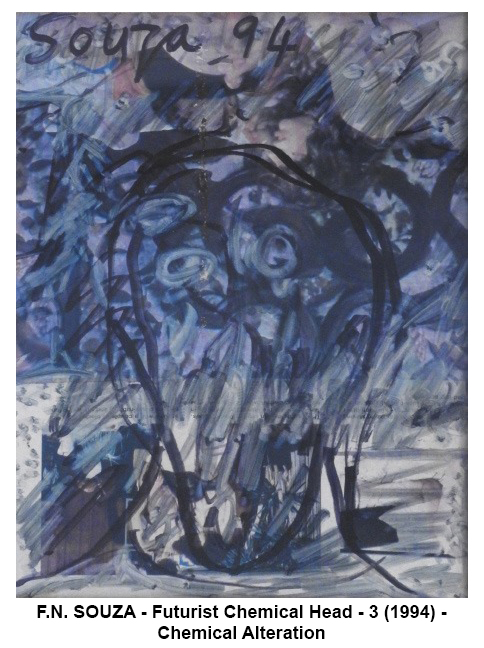 This shift may ultimately prove healthier for the ecosystem than a purely auction-led market structure.
Yet caution remains necessary. Art markets are cyclical by nature, and periods of rapid enthusiasm often produce temporary distortions. Long-term sustainability will depend less on short-term price spikes and more on the continued development of scholarship, institutional credibility, curatorial rigour, and informed collecting practices.
Nevertheless, the broader direction appears unmistakable. Indian art is no longer viewed solely through a regional lens. Increasingly, it is entering larger global conversations around modernism, postcolonial identity, abstraction, material experimentation, and cultural memory.
The resurgence of 2025–2026 may therefore represent not merely a market recovery, but the beginning of a more mature phase in the evolution of the Indian art ecosystem — one where collecting, scholarship, archives, technology, and cultural confidence begin to converge with greater depth and international relevance.
Comments
Join the Discussion
Please login to post comments.
Login