Sold
Profile:
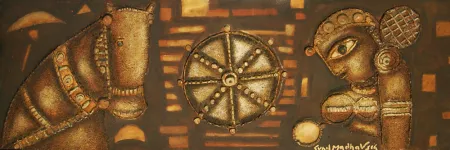
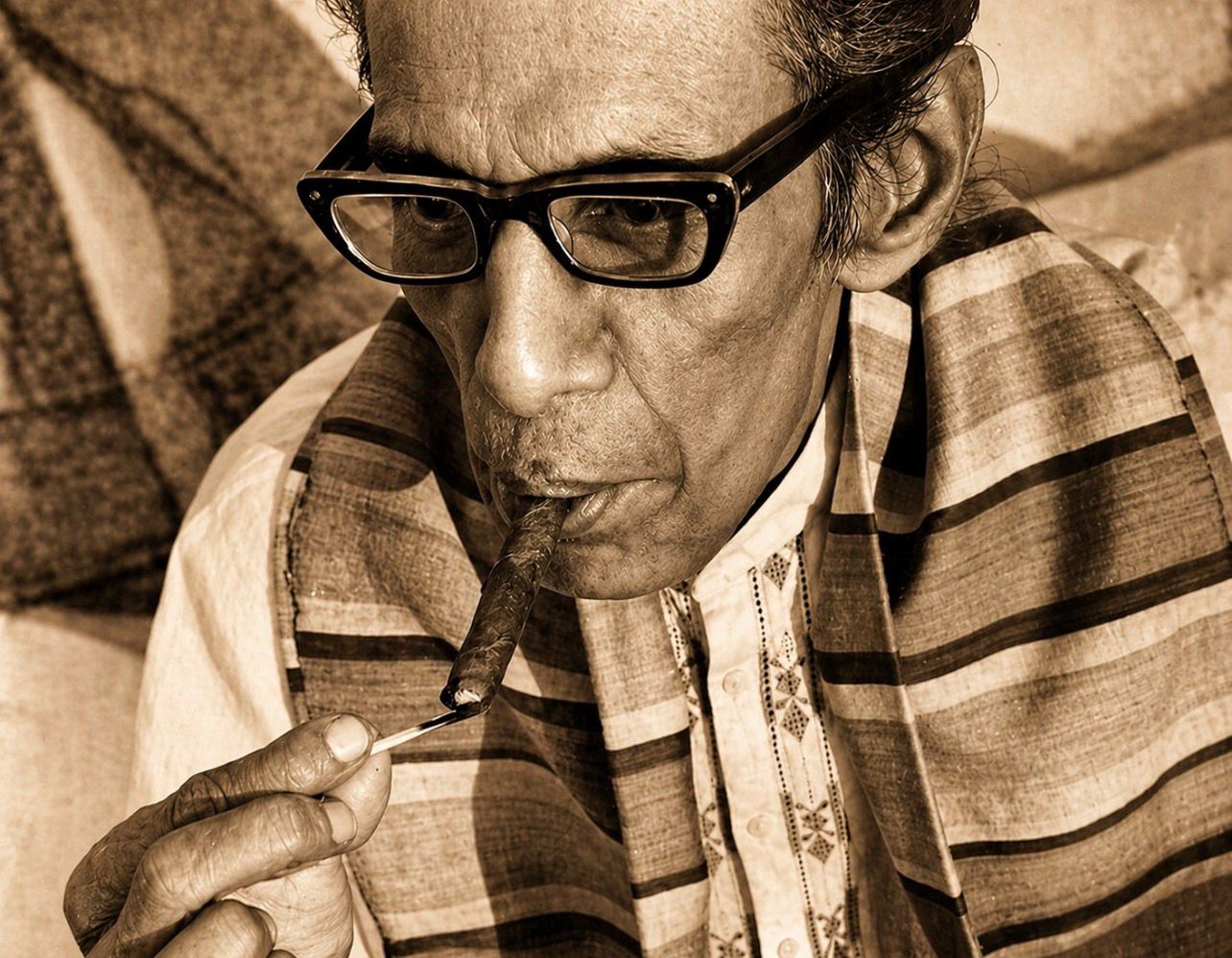
Sunil Madhav Sen occupies a significant yet often understated position in the history of modern Indian painting, particularly within the evolving discourse of abstraction in mid-twentieth-century India. Born in 1910, Sen received his early artistic training at the Government School of Art, Calcutta, where he was exposed to both academic realism and the stylistic influence of the Bengal School. However, his mature practice reflects a conscious departure from both, moving toward a more personal and exploratory visual language.
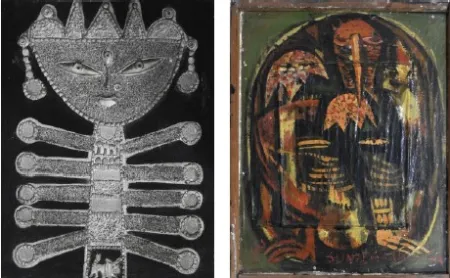
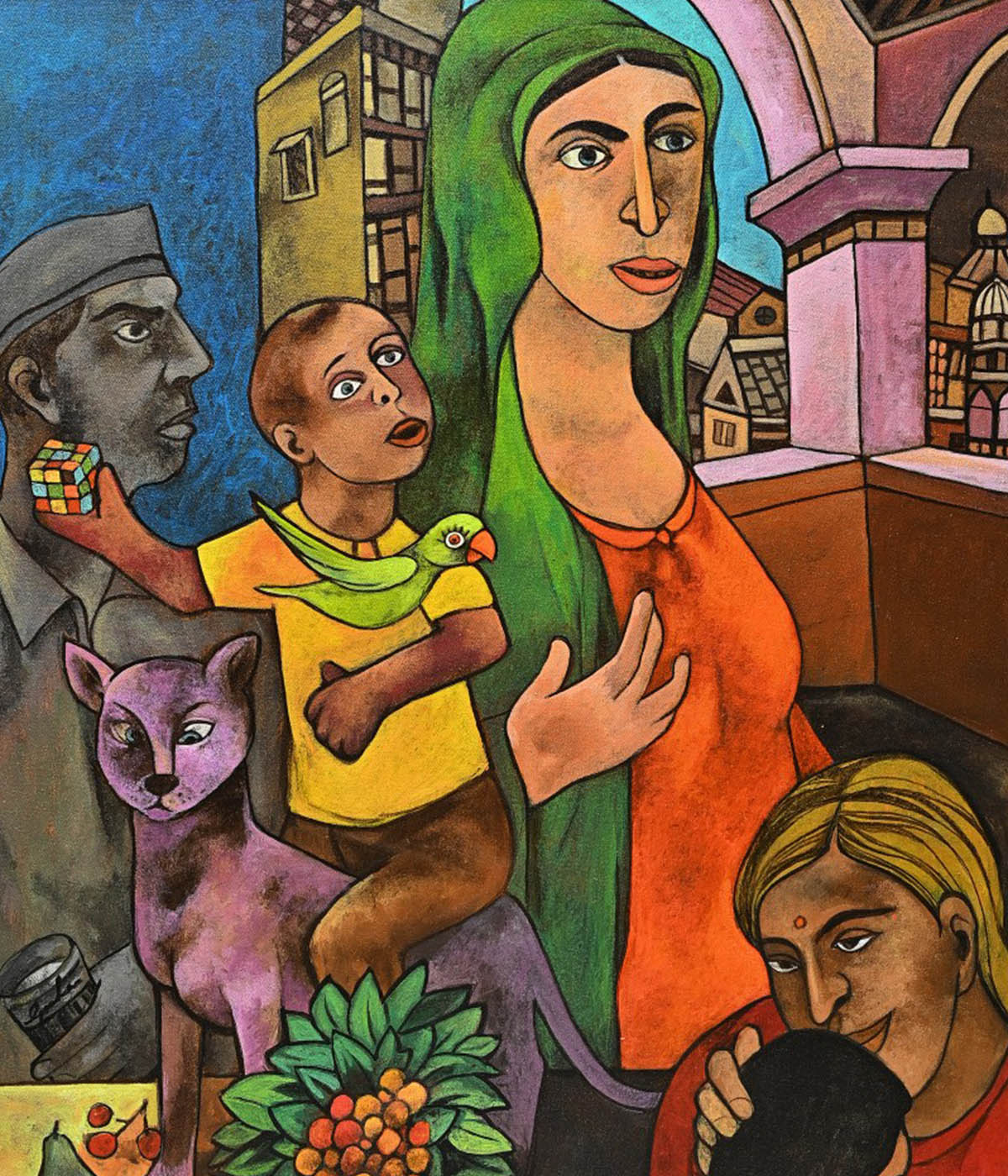
Sen’s work is marked by a gradual yet decisive transition into abstraction, positioning him among the early artists in India to engage with non-representational form as a means of expression. His paintings are characterised by subtle tonal variations, layered textures, and a restrained yet evocative palette, often suggesting landscapes or spatial environments without direct depiction. This quality lends his work a meditative and introspective dimension, aligning it with broader modernist concerns of form, rhythm, and inner experience.
Unlike the geometric rigor seen in later abstractionists, Sen’s approach remained lyrical and organic, with forms emerging and dissolving within the pictorial space. His compositions evoke a sense of atmosphere rather than structure, suggesting memory, landscape, and emotional states rather than fixed imagery. This ambiguity allows the viewer to engage with the work on a contemplative level.
Sen was actively associated with the Society of Contemporary Artists, one of the most influential artist collectives in post-independence Bengal. Through this association, he contributed to the shaping of a modern artistic identity that balanced international modernist influences with regional sensibilities.
Over the course of his career, Sen participated in numerous exhibitions in India and abroad, earning recognition for his contribution to the development of Indian modernist abstraction. His works are held in important public and private collections, and continue to be studied for their role in expanding the vocabulary of modern Indian art.
Sunil Madhav Sen’s legacy lies in his quiet yet pioneering engagement with abstraction, offering a body of work that is both introspective and formally nuanced. His paintings remain a vital link between early modernist experimentation and the later consolidation of abstract art practices in India.
_-thumb.webp)