A Poetic Lens on Practice: Arohi Sengupta’s Film on Sunil De
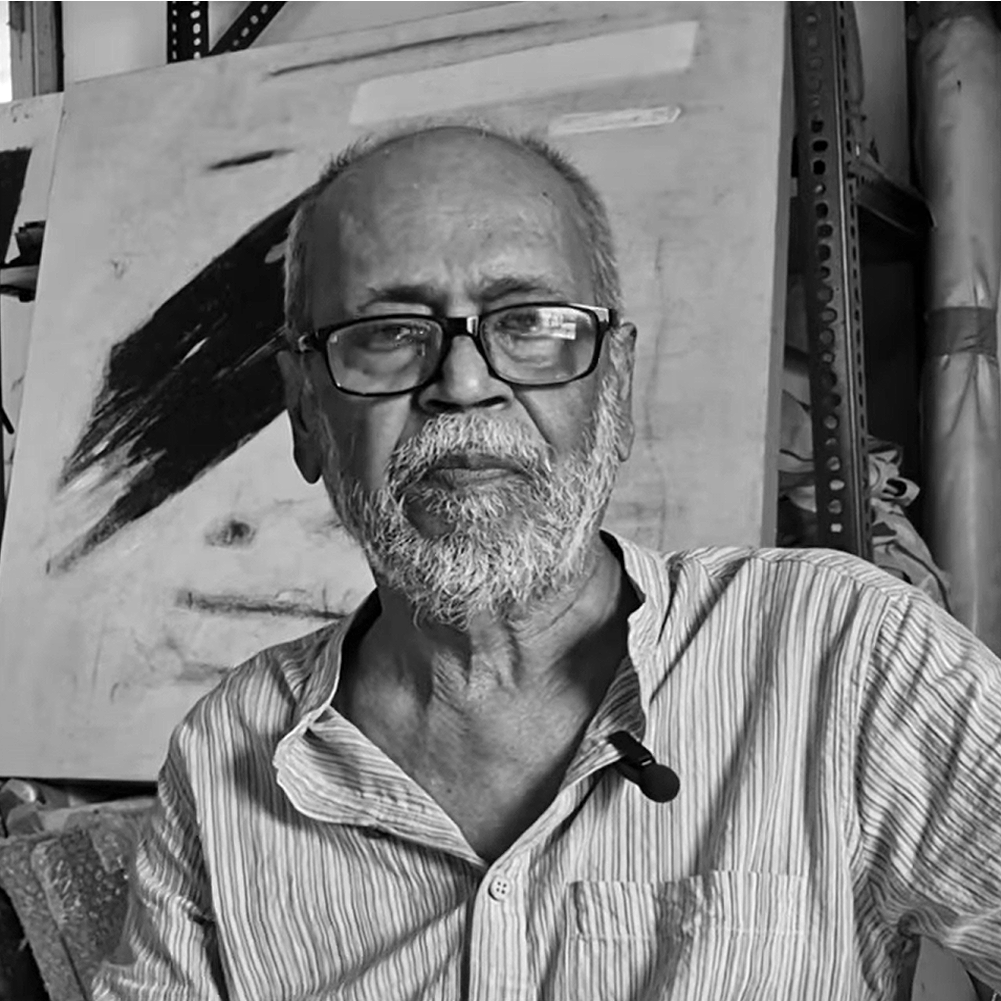
In her sensitive and quietly observant short film, Arohi Sengupta offers a contemplative entry into the artistic world of Sunil De—one of the most understated yet profoundly gifted practitioners of abstraction in post-independence Indian art. Long regarded by those familiar with his work as a painter of exceptional depth, De has remained curiously under-recognised, owing in part to his lifelong detachment from self-promotion and the commercial circuits of the art world.
Sengupta’s film becomes especially significant in this context. Rather than constructing a biographical narrative, she allows the artist to emerge through presence, process, and temperament. The camera lingers with patience, capturing De within his studio environment—absorbed, unhurried, and deeply engaged with the act of painting. This quiet intensity mirrors the very ethos of his practice: disciplined, introspective, and resistant to spectacle.
What distinguishes Sunil De is not merely his command over abstraction, but the integrity of his artistic journey. His works, often marked by a lyrical interplay of colour, form, and rhythm, reveal a painter who has consistently pursued an inner visual language without compromise. There is no overt attempt to align with market trends or institutional validation; instead, his oeuvre reflects a rare commitment to painting as a lifelong inquiry. It is perhaps for this reason that, while he may not have occupied the foreground of the commercial art scene, his works are deeply admired by artists, critics, and discerning viewers who have encountered them.
Sengupta’s film is particularly attentive to the material and tactile dimensions of this practice—the layering of paint, the movement of the brush, and the evolving surface of the canvas. These elements are rendered with an intimacy that allows the viewer to grasp something of the artist’s internal rhythm. The film, in essence, does not attempt to explain De; it allows his work ethic and sensibility to unfold organically.
There is also a subtle yet meaningful generational dialogue at play. A young filmmaker engaging with a senior master creates a bridge between continuity and rediscovery—bringing renewed attention to an artist who has quietly shaped his own path over decades. Sengupta’s approach is marked by respect and restraint, ensuring that the film remains aligned with the humility and depth that define De himself.
In its brevity, the film achieves a rare clarity. It reveals Sunil De not as a figure constructed by reputation, but as an artist rooted in dedication, simplicity, and unwavering commitment to his craft. The result is a work that resonates with quiet authority—much like the painter it seeks to honour.
Most read art news

Aakriti Art Gallery to Launch India’s First Integrated Art Platform Combining AI Advisory, Research, Archives, Publishing, and Art Acquisition
Aakriti Art Gallery Relaunches ‘GenNext’ as a Year-Round Platform for Emerging Artists
Aakriti Art Gallery Launches AI-Powered Ask Aakriti and Research Journal Art Insights
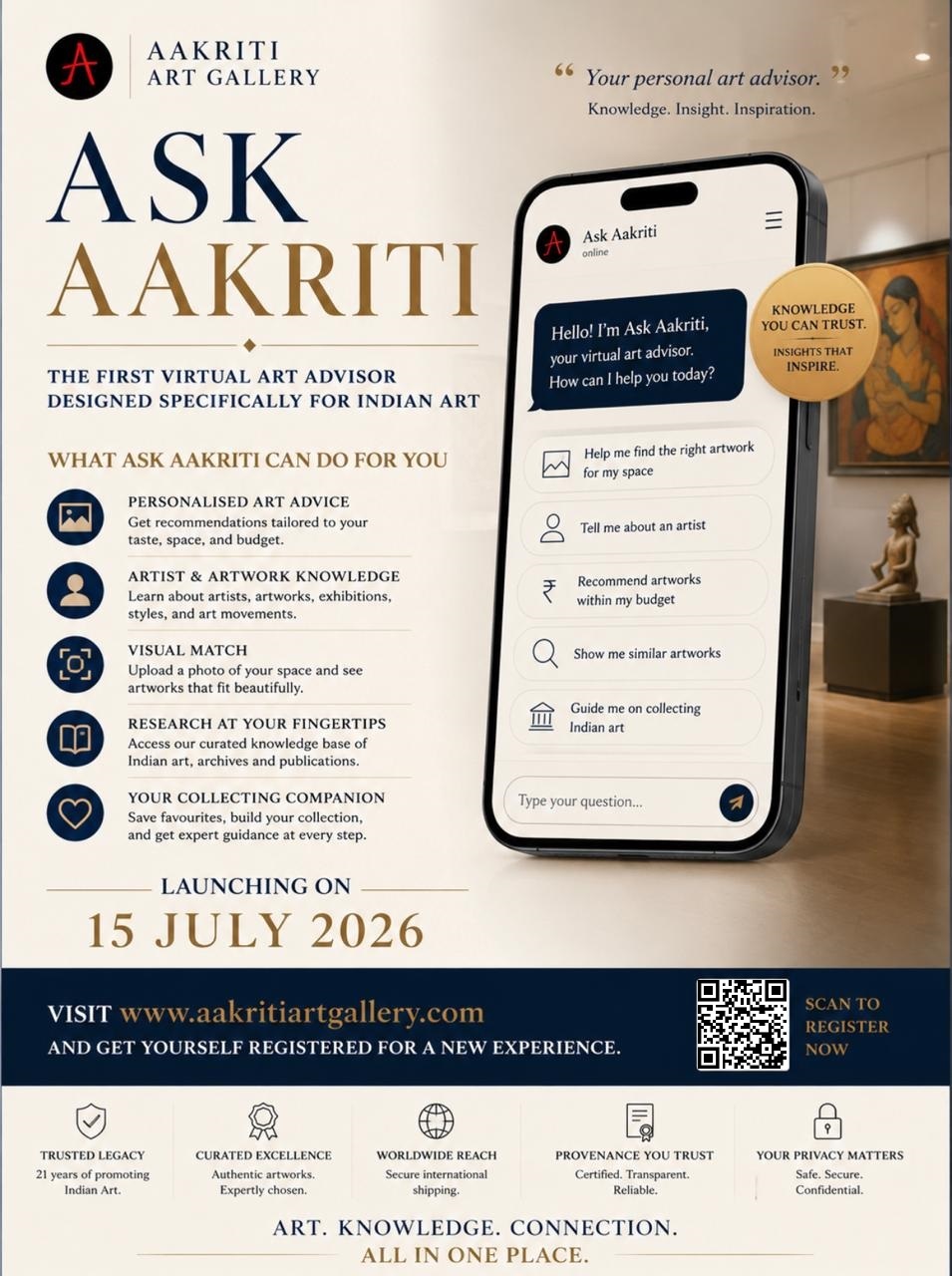
Aakriti Art Gallery to Launch “Ask Aakriti” – India’s First AI-Powered Virtual Art Advisor for Indian Modern & Contemporary Art
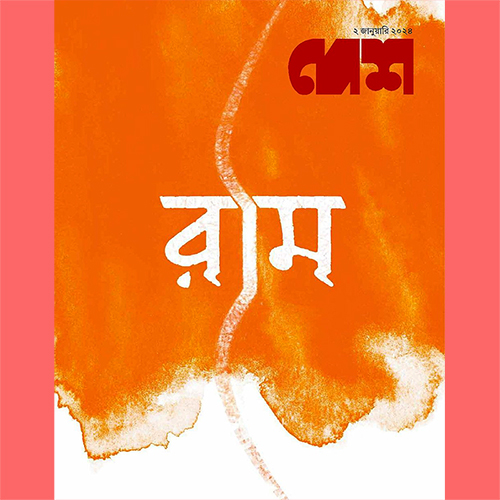
"BENGAL BEYOND BOUNDARIES" Exhibition Review in Desh Patrika