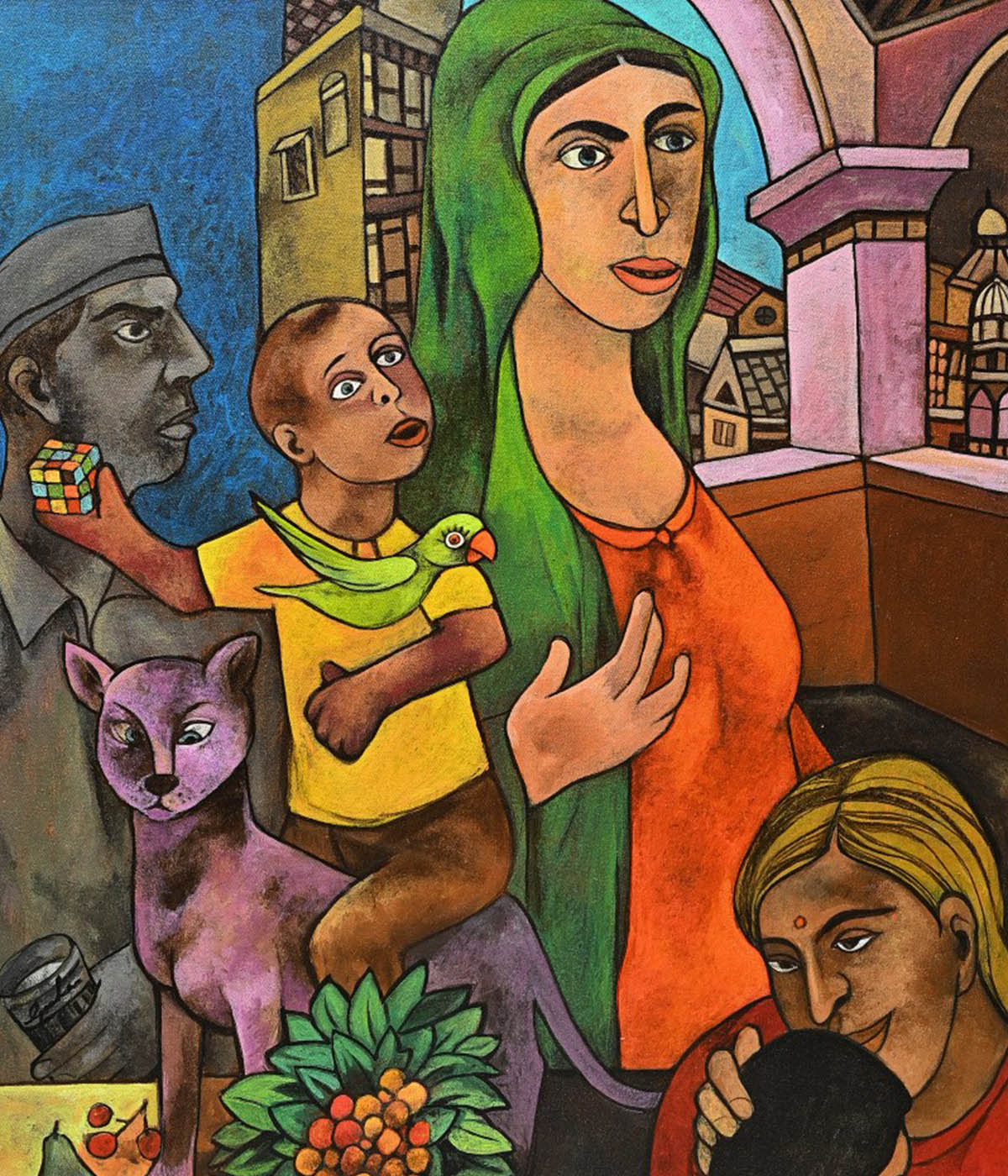
Mid-Market Contemporary Artists of Asia
Reconsidering Value, Quality, and Long-Term Significance in Asian Contemporary Art
The contemporary Asian art market has expanded dramatically over the past three decades, yet market visibility and artistic significance have not always evolved proportionately. While a relatively small group of internationally promoted blue-chip artists dominate auctions, fairs, and institutional narratives, a much wider field of artists across Asia continues to remain comparatively undervalued despite substantial artistic merit, historical relevance, and curatorial importance.
This essay does not attempt to identify speculative “next big names” in a purely commercial sense. Rather, it seeks to examine a group of artists whose works represent a compelling intersection of artistic quality, intellectual depth, historical positioning, and relative market accessibility. The emphasis is therefore on artists whose practices demonstrate long-term cultural significance while remaining situated within the affordable or mid-market segment of the contemporary Asian art ecosystem.
The selection has been guided by several considerations:
- sustained studio practice over market-driven production,
- strong regional or cultural vocabulary,
- technical and conceptual consistency,
- contribution to broader artistic discourse,
- and a noticeable disparity between artistic importance and current market valuation.
In many cases, these artists remain under-positioned internationally not because of lack of quality, but due to structural factors such as uneven scholarship, regional market isolation, limited archival infrastructure, or the overwhelming concentration of capital around a small number of heavily marketed names.
India: Regional Modernities Beyond the Auction Canon
India possesses one of the most layered and heterogeneous contemporary art ecosystems in Asia. However, market narratives have frequently remained concentrated around a relatively narrow circle of canonical modernists and globally visible contemporary figures. This has resulted in several important artists remaining comparatively overlooked despite substantial contributions to post-Independence Indian art.
The artists discussed here have been selected not merely for affordability, but because their practices reveal sustained artistic integrity, intellectual independence, and formal sophistication that have not yet been proportionately reflected in market valuation.
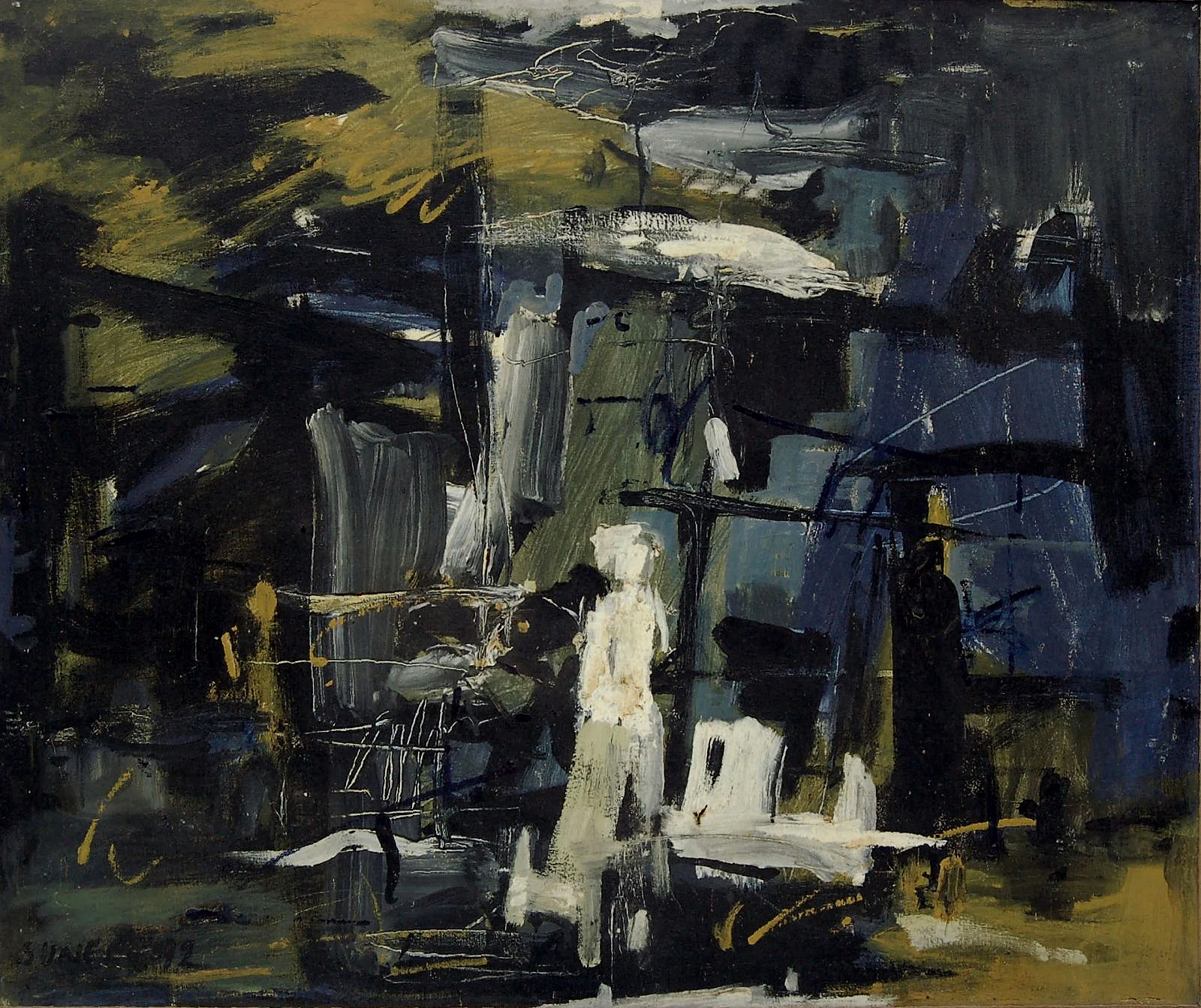
Sunil De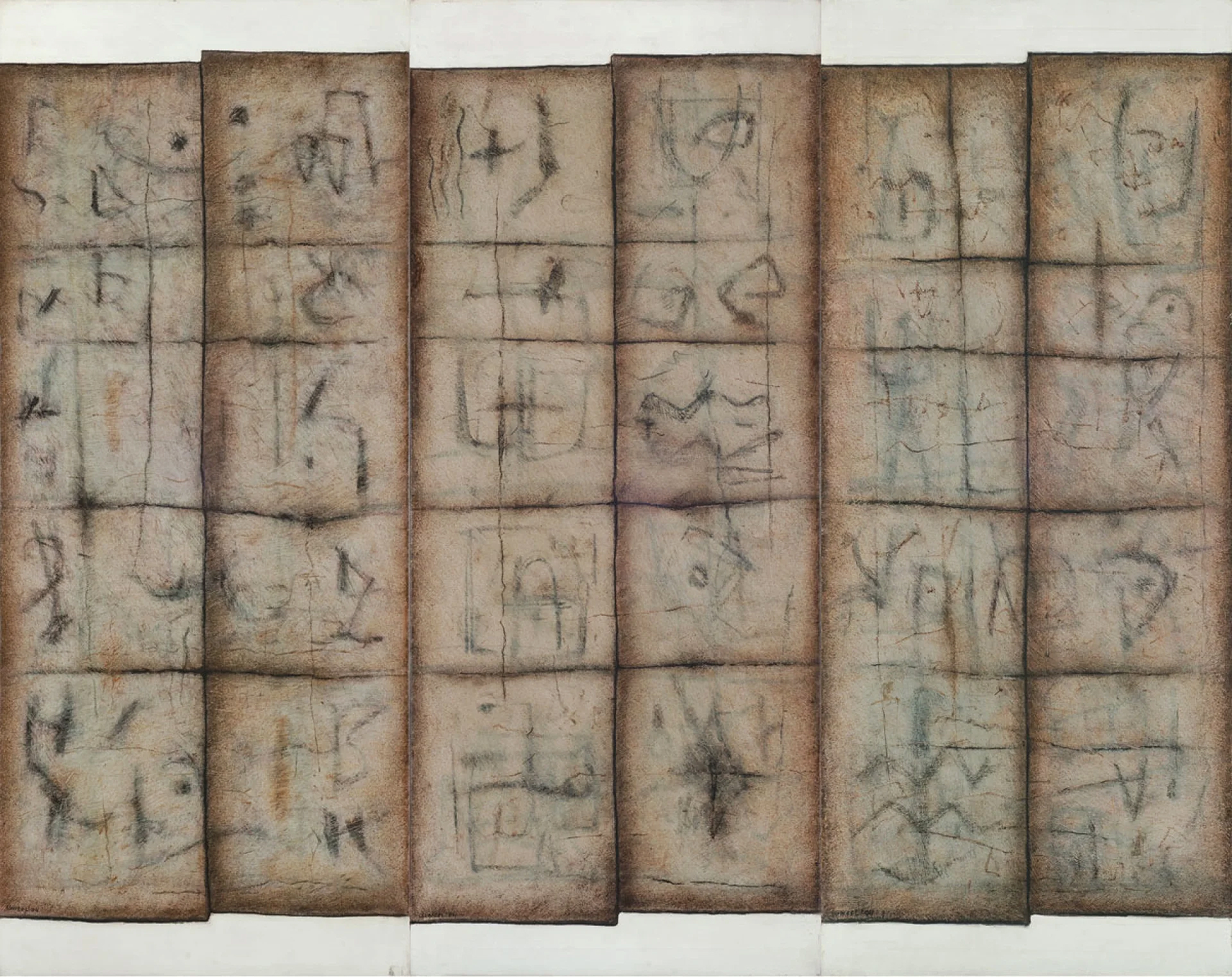 Sunil De occupies a distinctive position within post-Independence Indian painting, His significance lies in his refusal of spectacle. The subtlety of his surfaces, understated abstraction, and meditative engagement with landscape and form place him within a lineage of artists more concerned with painterly experience than commercial visibility. The continued relative affordability of his works presents a striking imbalance between artistic accomplishment and market recognition. |
||
Amitava Dhar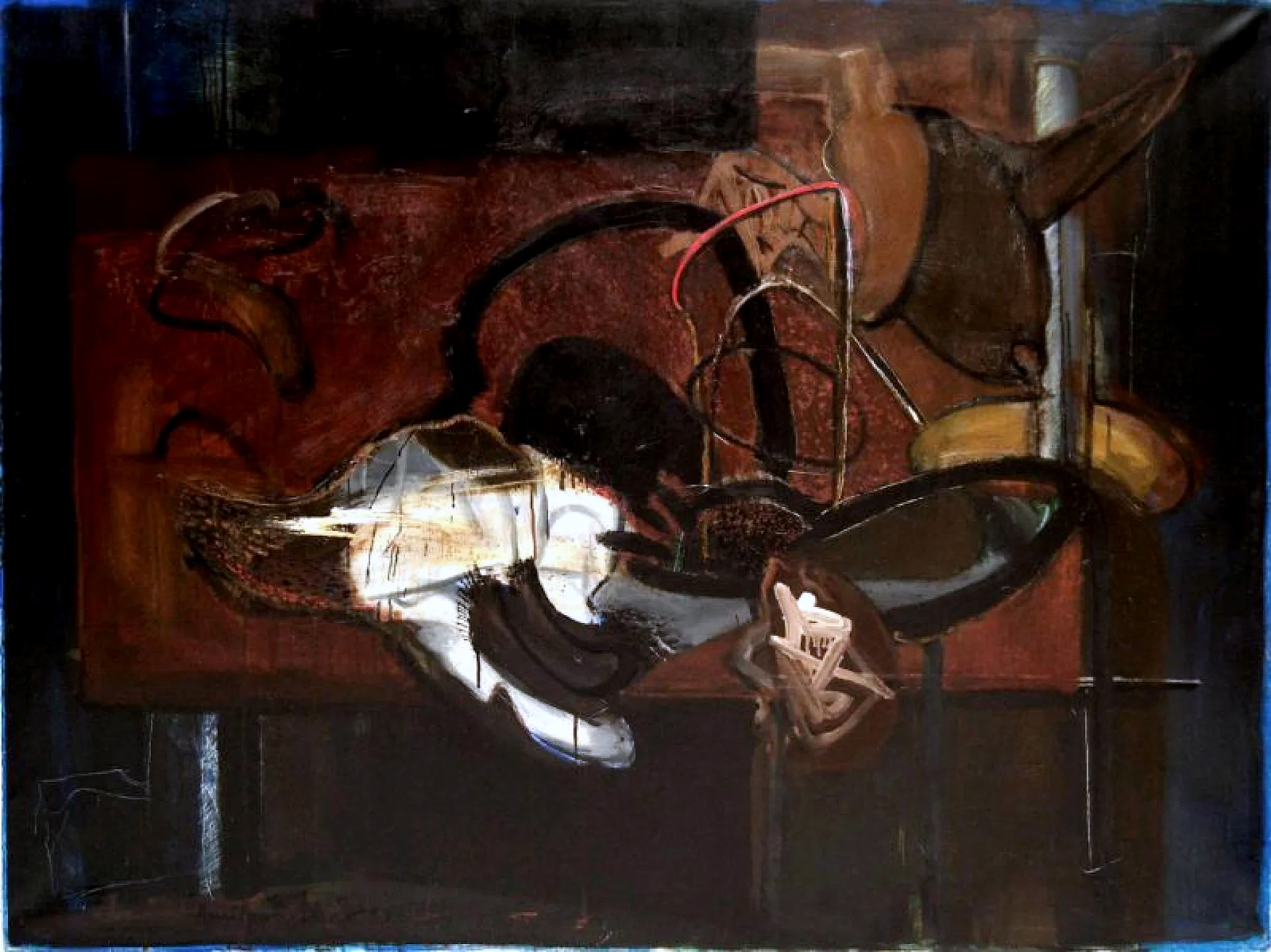
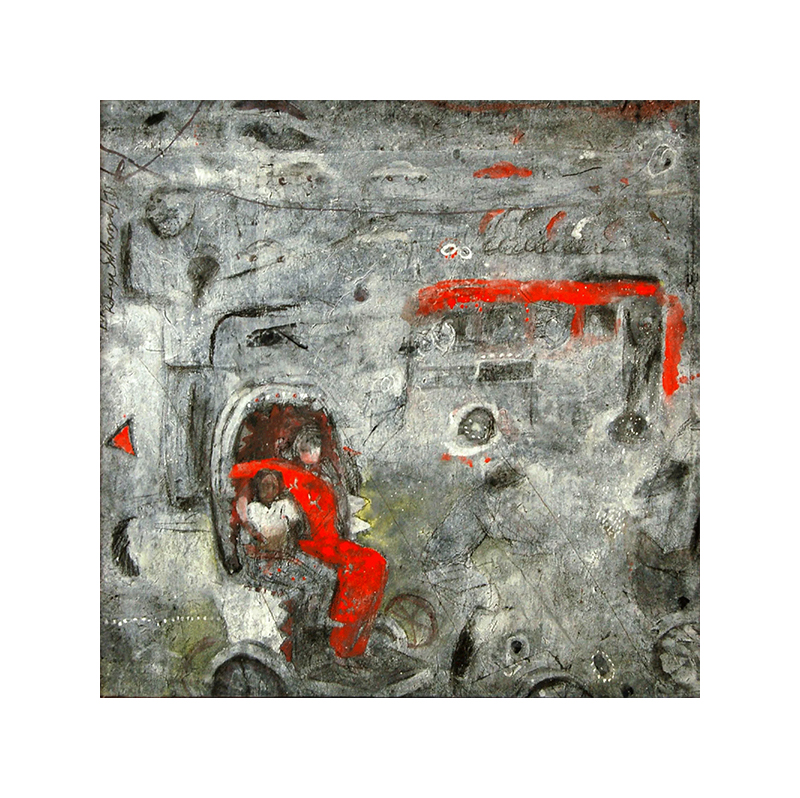
Amitava Dhar represents one of the more intellectually nuanced painters to emerge from The importance of Dhar’s practice lies in its sustained engagement with memory, existential unease, and urban isolation without resorting to overt theatricality. His works reward slow viewing and possess unusual narrative density. Despite strong respect among informed collectors and critics, his market remains modest relative to the sophistication and consistency of his visual language, making him an important figure within discussions of value-conscious contemporary collecting. |
||
Partha Pratim Deb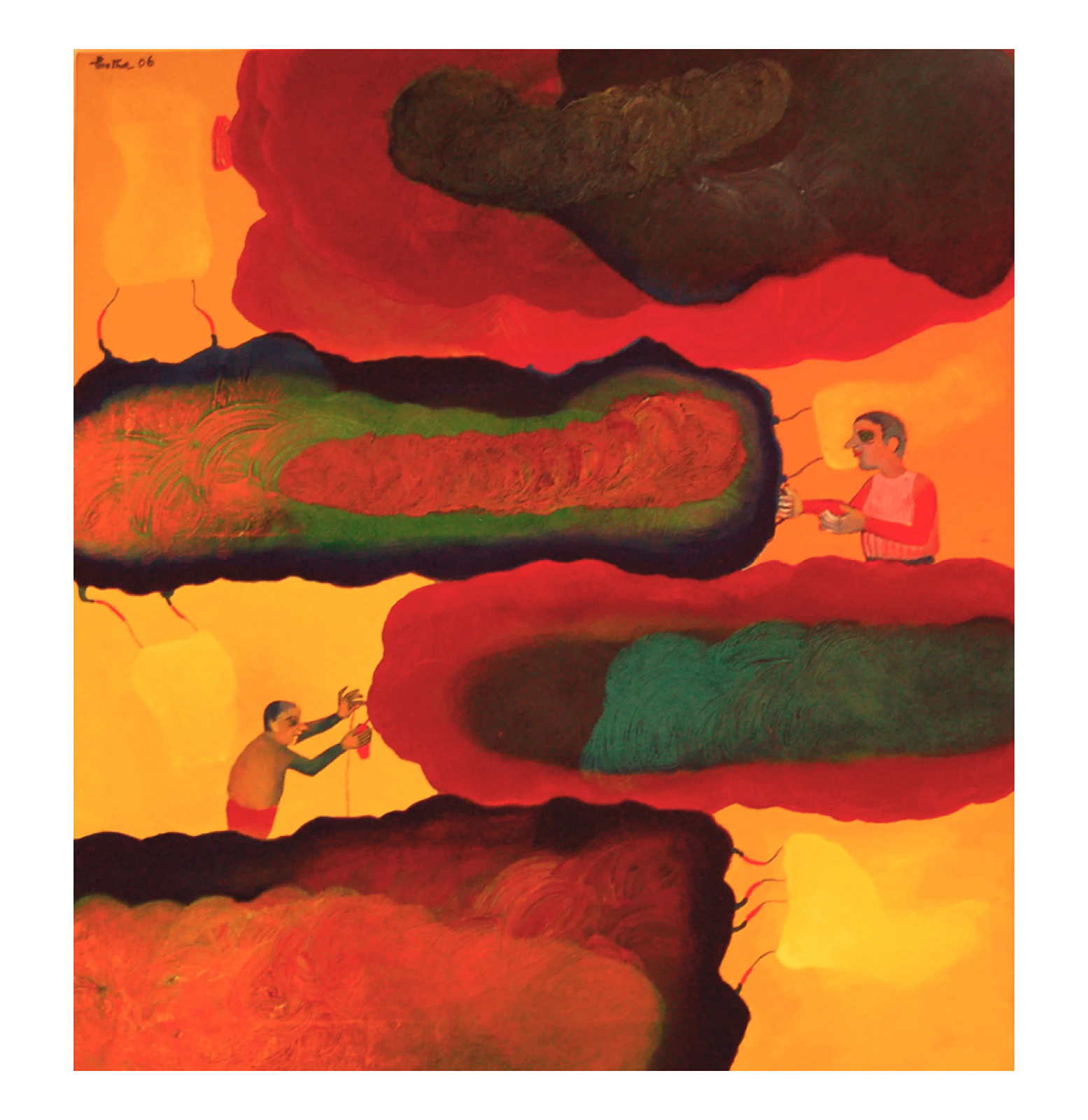 Partha Pratim Deb’s works negotiate mythology, Deb’s inclusion within this discussion stems from the intellectual seriousness of his figurative vocabulary and his ability to sustain a deeply individual visual language over decades without excessive market dependence.
|
||
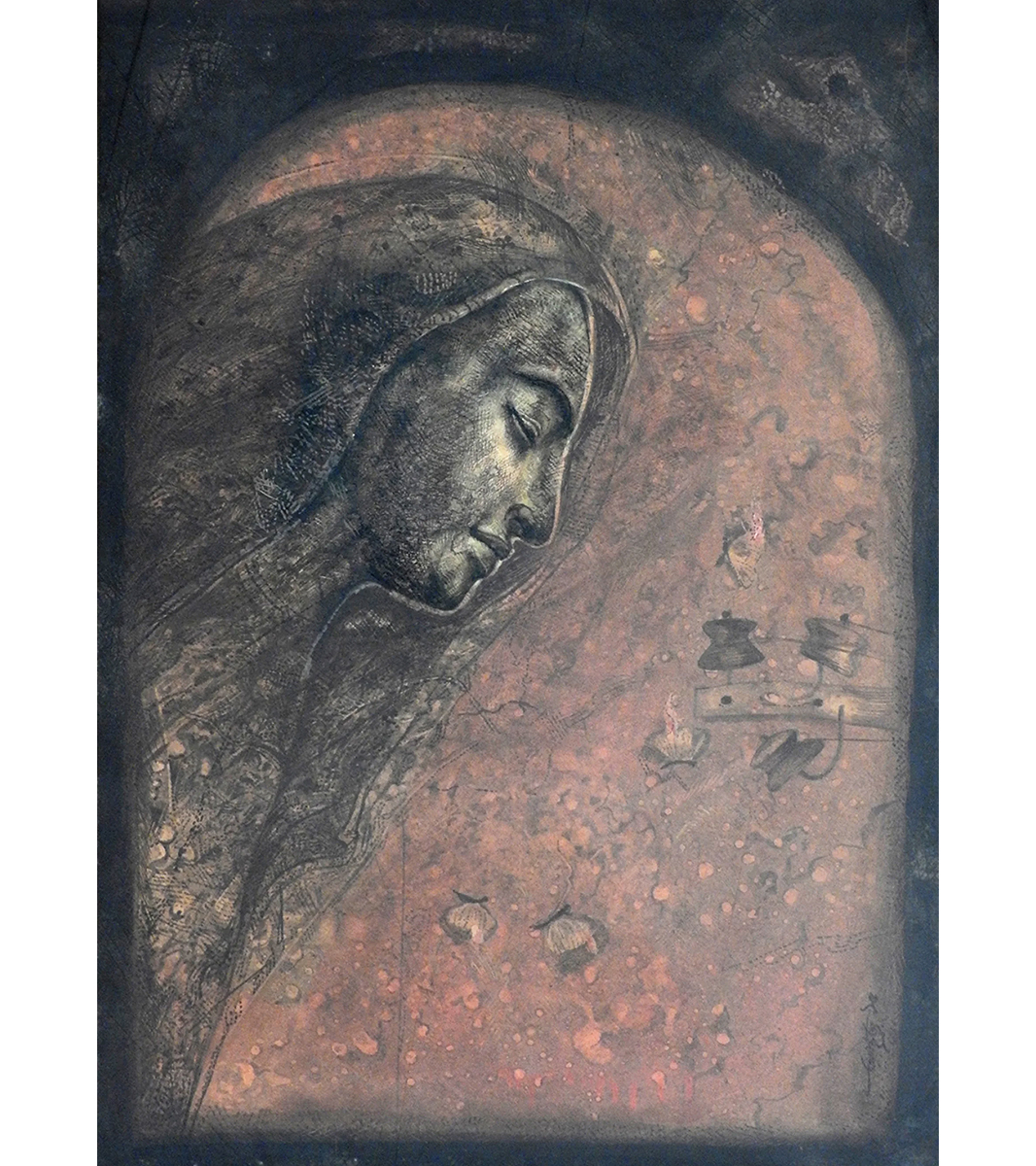
Aditya Basak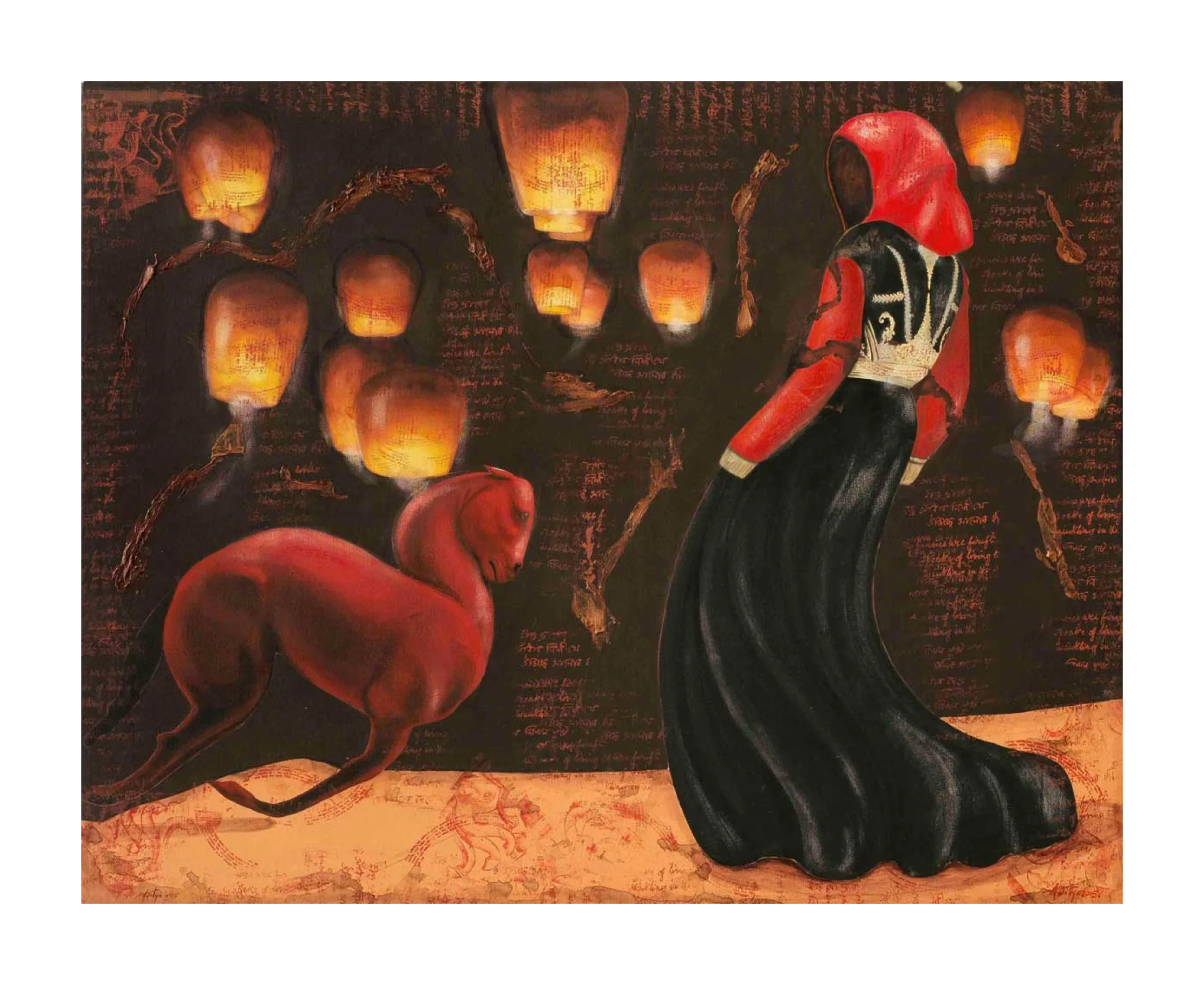 Aditya Basak developed a powerful visual vocabulary Basak remains comparatively undervalued considering his historical role within late twentieth-century Indian contemporary figuration and the continuing relevance of his socio-political concerns.
|
||
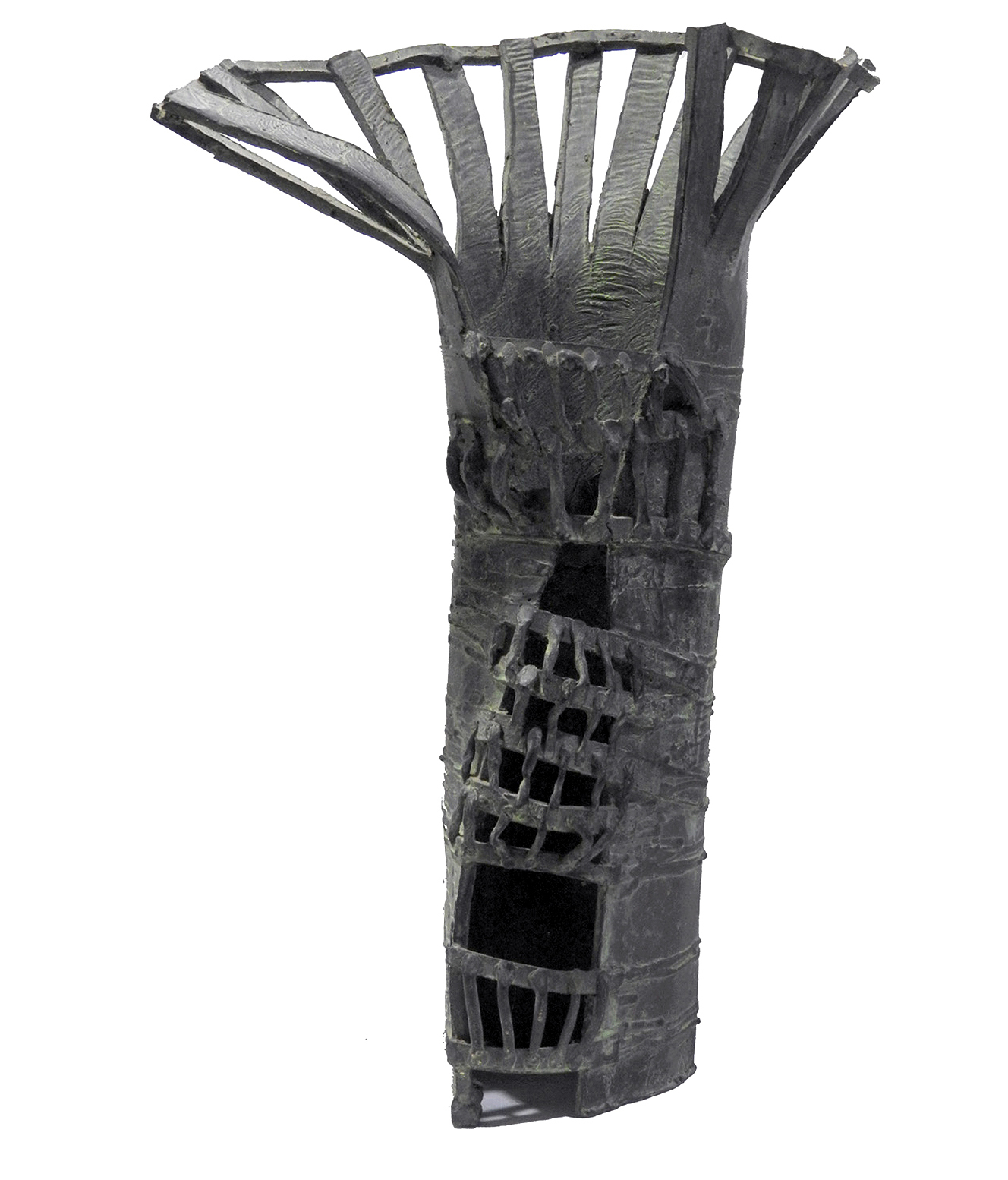
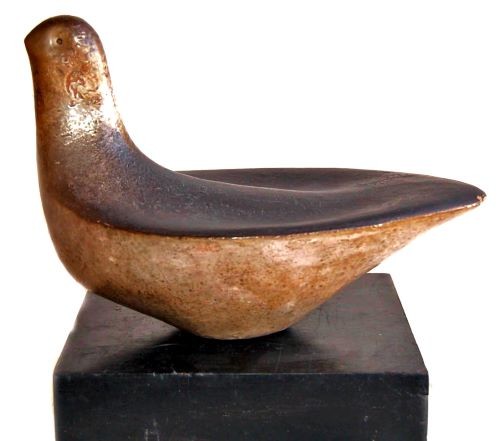
Asim Basu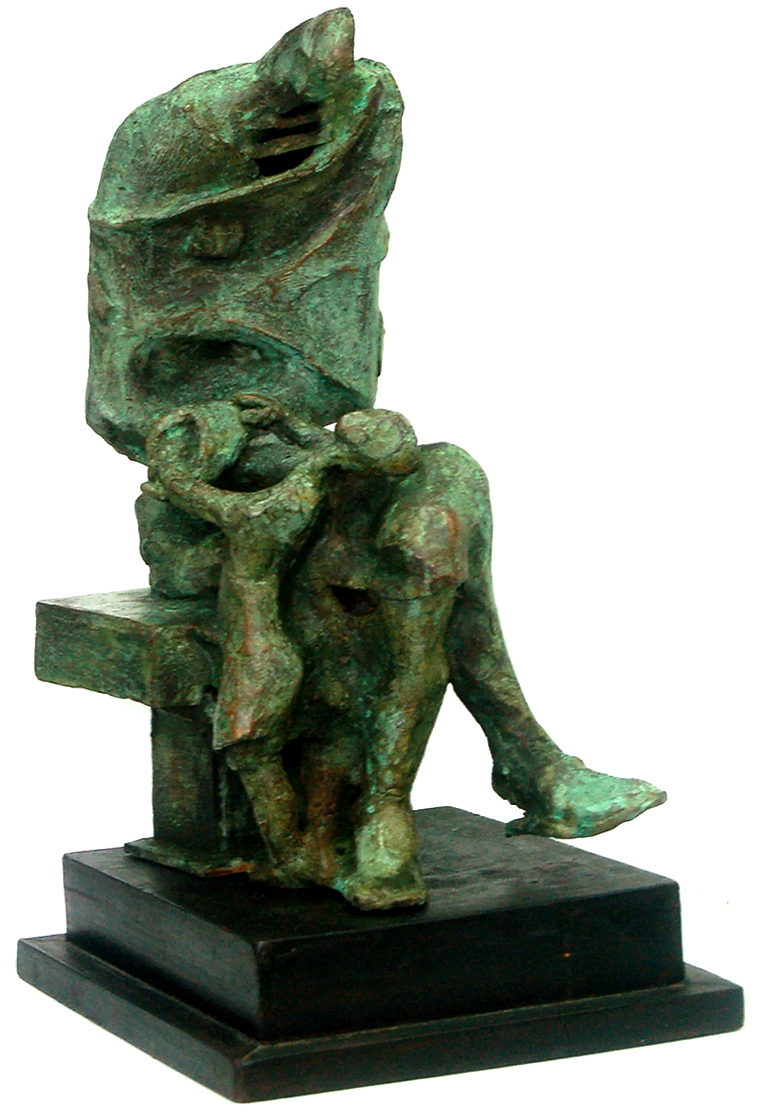 Asim Basu occupies an important position within the evolution of post-Independence Bengali sculpture. Working across bronze, wood, and mixed media, Basu developed a sculptural language that balanced modernist simplification with strong emotional and symbolic resonance. His works often reveal a quiet synthesis between folk sensibility, humanist form, and modern sculptural abstraction. Unlike several heavily commercialised contemporary sculptors, Basu’s practice evolved through sustained formal exploration rather than spectacle-driven production. His sculptures demonstrate considerable structural discipline and tactile sensitivity while retaining accessibility in scale and emotional engagement. Despite his long-standing contribution to Indian sculpture and participation within important artistic circles of Bengal, his market remains comparatively modest when viewed against the historical importance and consistency of his oeuvre. This imbalance makes his work particularly significant within discussions surrounding value-oriented collecting in contemporary Indian sculpture. |
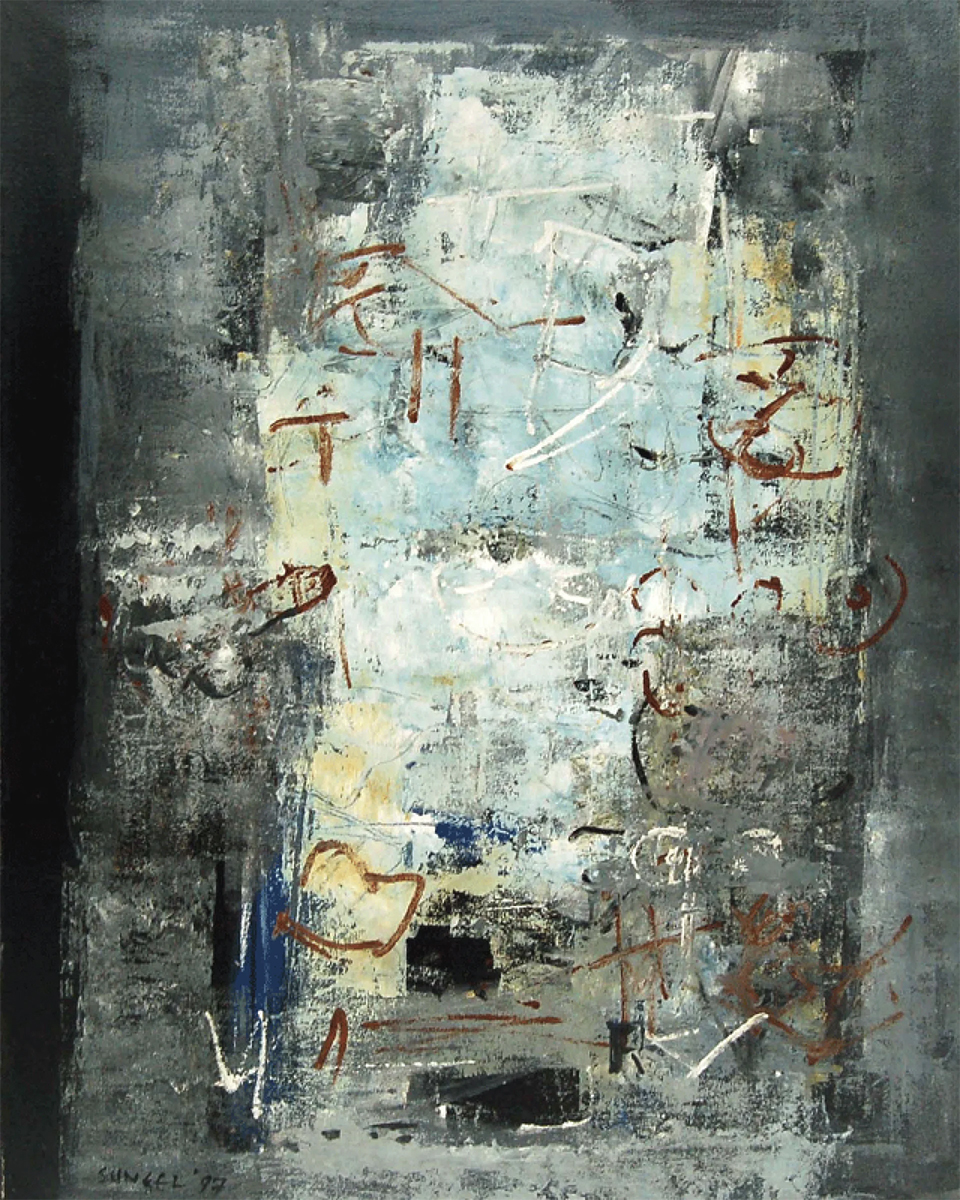 particularly within Bengal’s evolving modernist discourse.His practice was marked by remarkable tonal sensitivity, atmospheric restraint, and lyrical spatial construction. Unlike artists who became dependent on easily recognisable stylistic signatures for market circulation, De’s work evolved quietly through observation, mood, and painterly discipline.
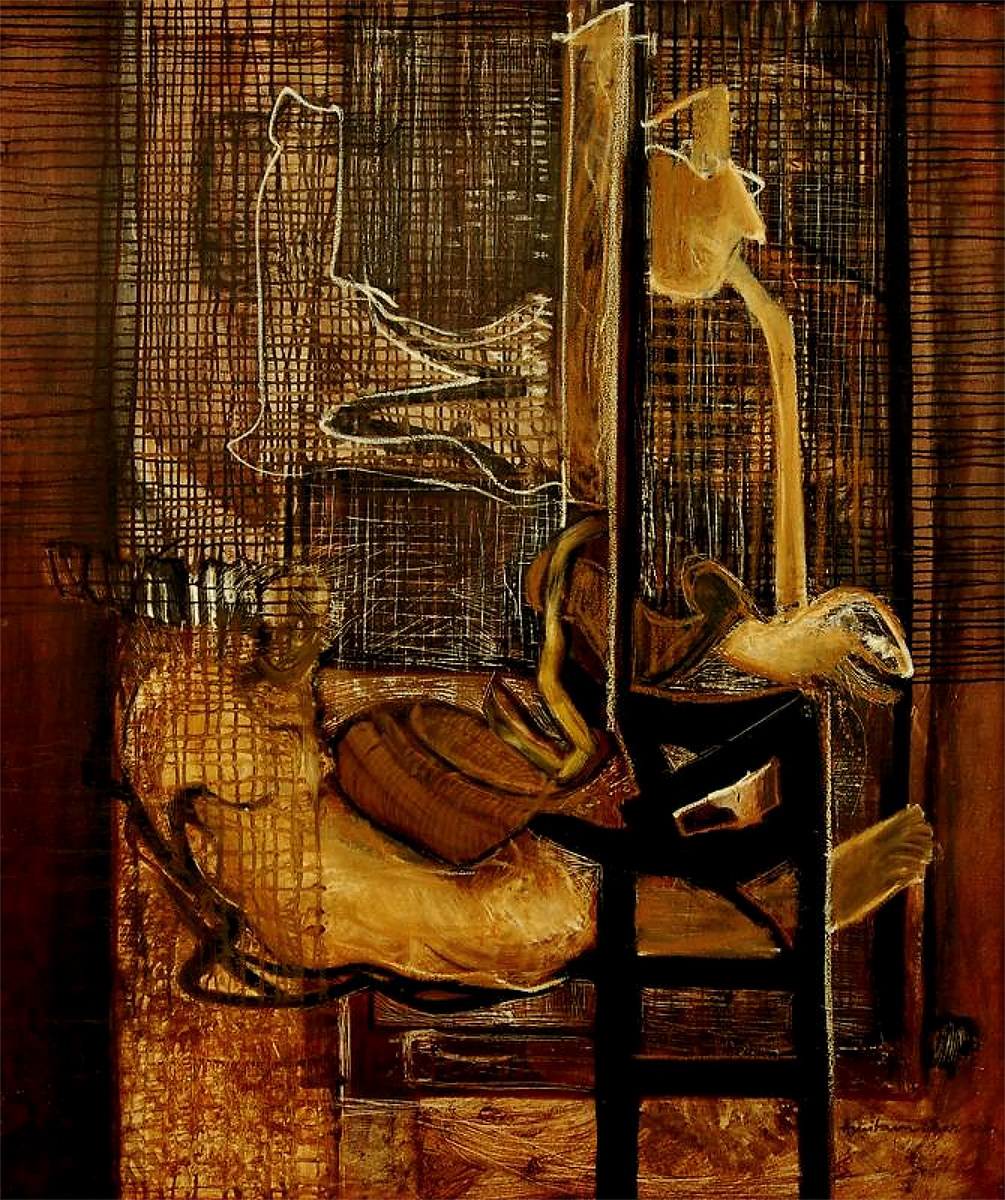 Bengal’s later figurative traditions. His paintings construct psychologically charged spaces where fragmented figures, symbolic architecture, and dream-like ambiguity coexist within carefully controlled painterly structures.
 social anxiety,and psychologicalfragmentation through dense symbolic compositions informed by Bengali cultural memory. His practice occupies an important space between folk resonance and contemporary urban disquiet.
 centred around alienation, violence, and the psychological instability of modern urban existence. His works possess remarkable emotional density while avoiding decorative excess or sentimentality.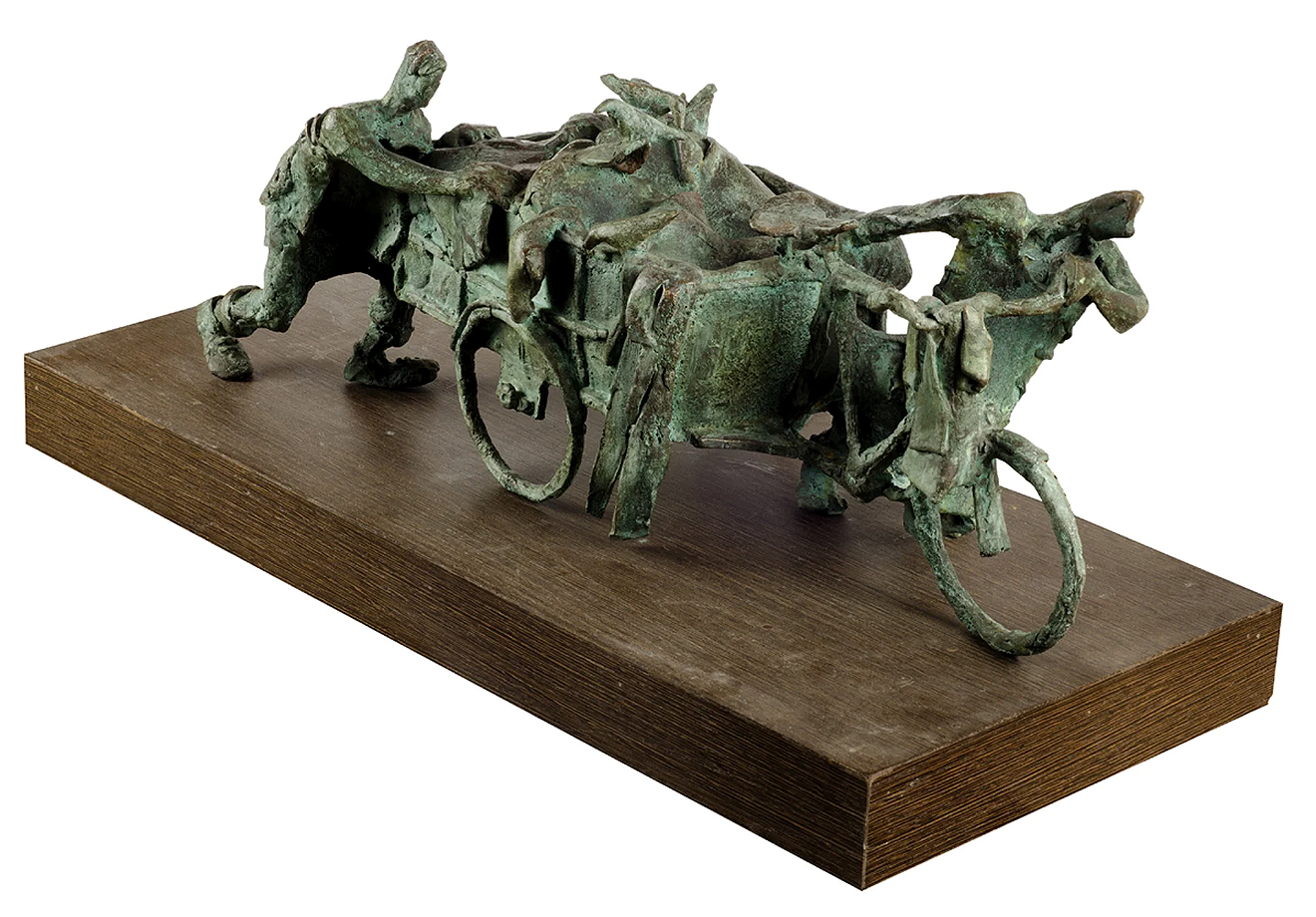
Sri Lanka: Post-Conflict Introspection and Contemporary Identity
Sri Lankan contemporary art has developed through a distinct historical trajectory shaped by civil conflict, Buddhist visual traditions, colonial inheritance, and cultural fragmentation. Compared to larger Asian markets, Sri Lanka’s art ecosystem has remained relatively restrained commercially, allowing several artists to sustain conceptually rigorous practices outside speculative market pressures.
Jagath Weerasinghe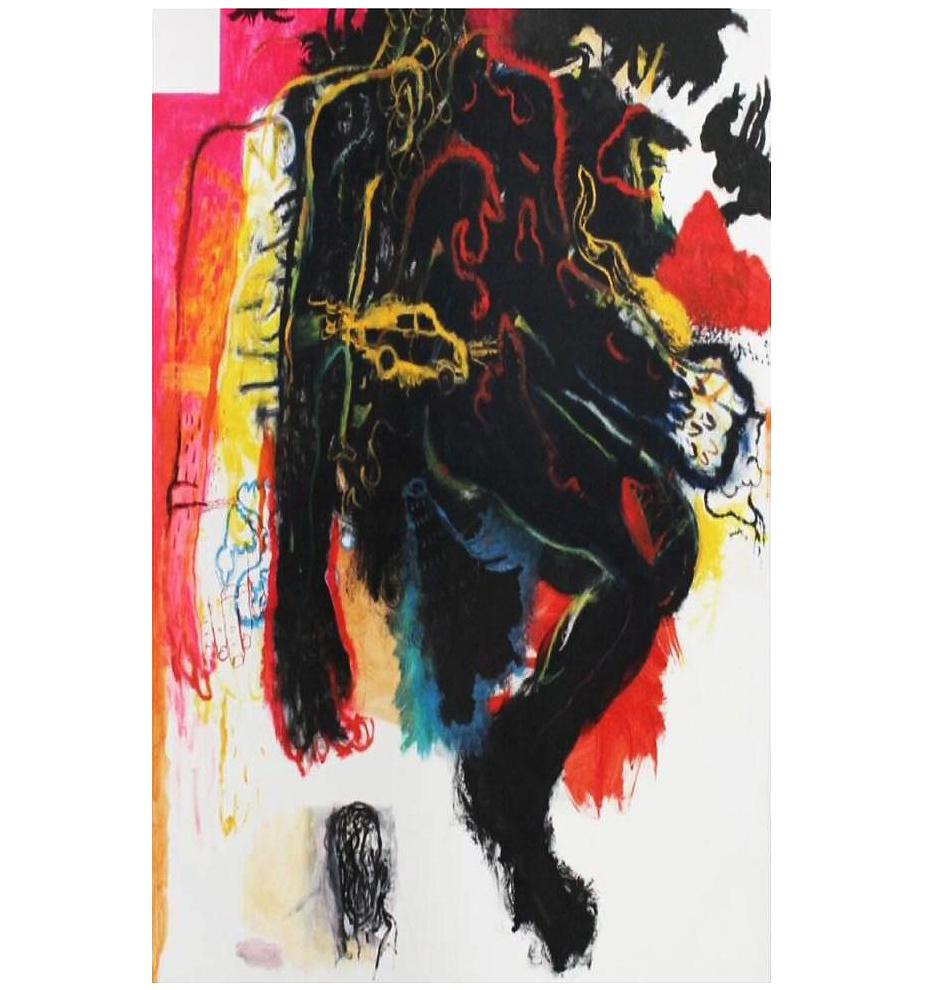 Jagath Weerasinghe remainsone of the most His importance lies not only in aesthetic achievement but in his role in articulating a visual language capable of confronting violence, memory, and collective anxiety within South Asian contemporary art. |
||
Anoli Perera  Anoli Perera’s installations and mixed-media works Her practice represents a thoughtful balance between material experimentation and conceptual clarity, positioning her among the more important feminist voices emerging from the region. |
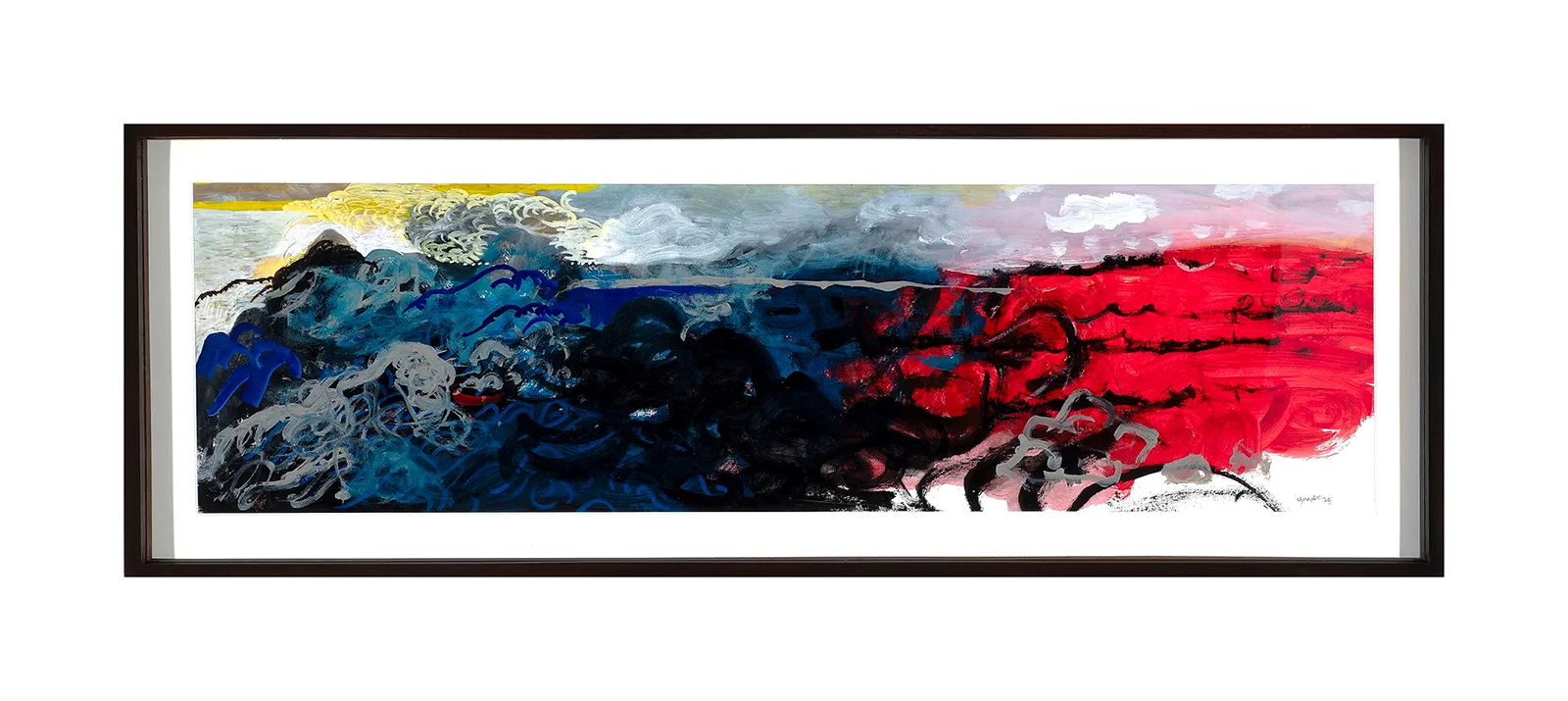 significant figures within post-war Sri Lankan art. His expressionistic visual language emerged directly from the trauma and psychological residue of civil conflict.
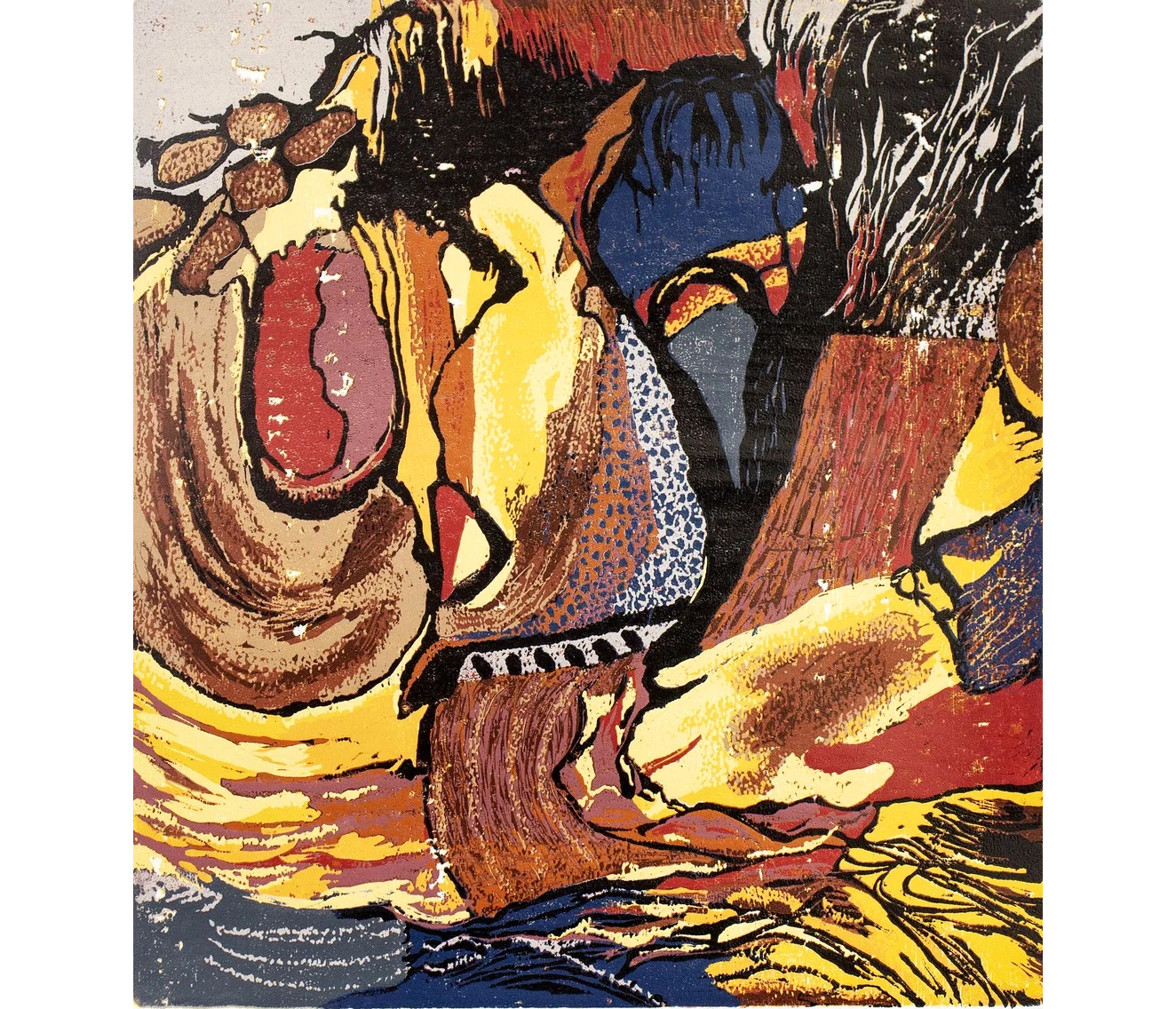 explore domesticity, female subjectivity, memory, and bodily experience within South Asian social structures.
Pakistan: Neo-Miniature and Conceptual Precision
Pakistan’s contemporary art movement, particularly through Lahore’s National College of Arts, produced one of South Asia’s most theoretically sophisticated reinterpretations of historical visual traditions.
| Aisha Khalid
Her practice demonstrates how historical visual languages can be transformed into contemporary conceptual frameworks without losing cultural specificity. |
||
Waqas Khan 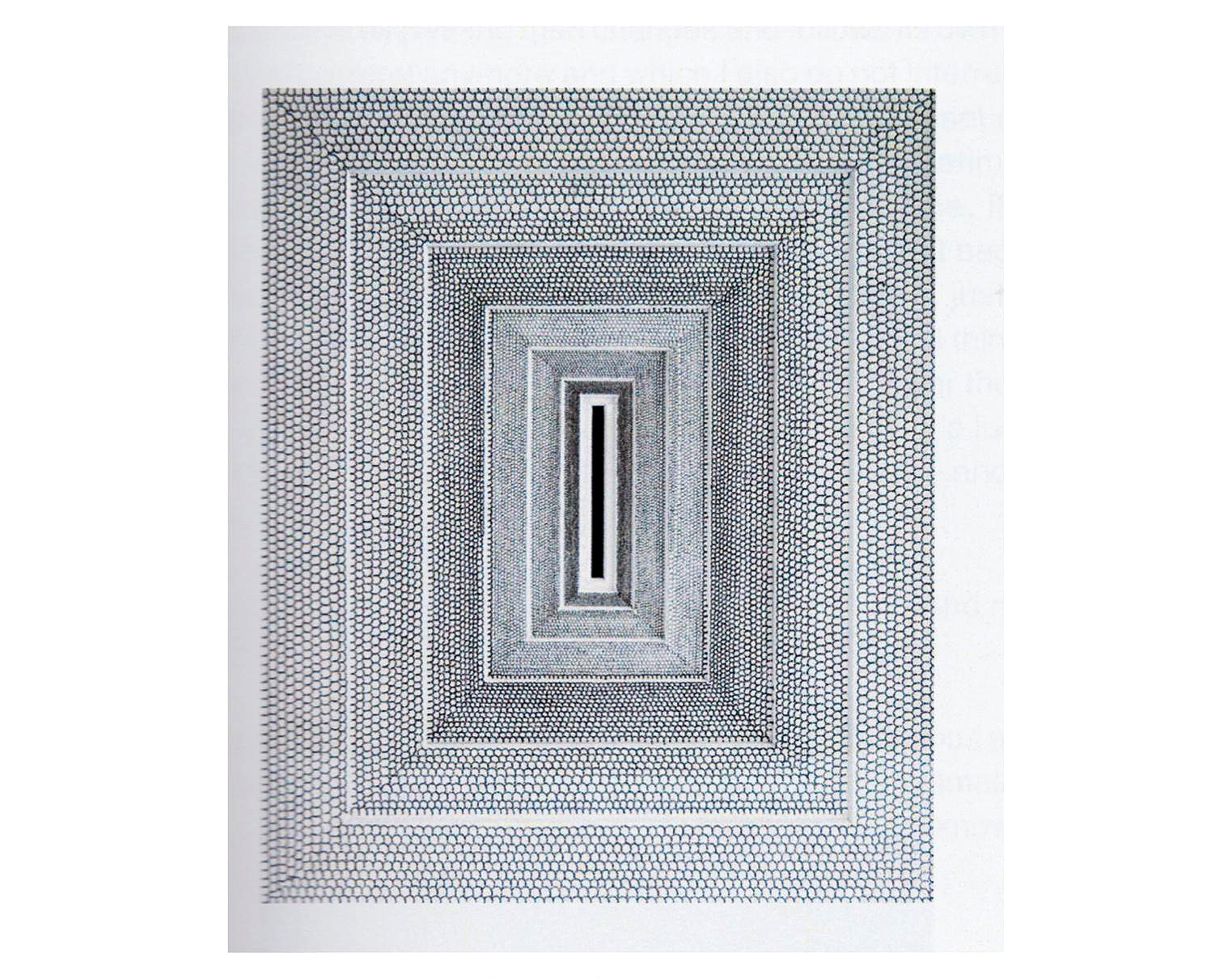 Waqas Khan’s meditative ink-based His works remain important because of their disciplined formal restraint and ability to transform minimal gestures into expansive psychological and spatial experiences.
|
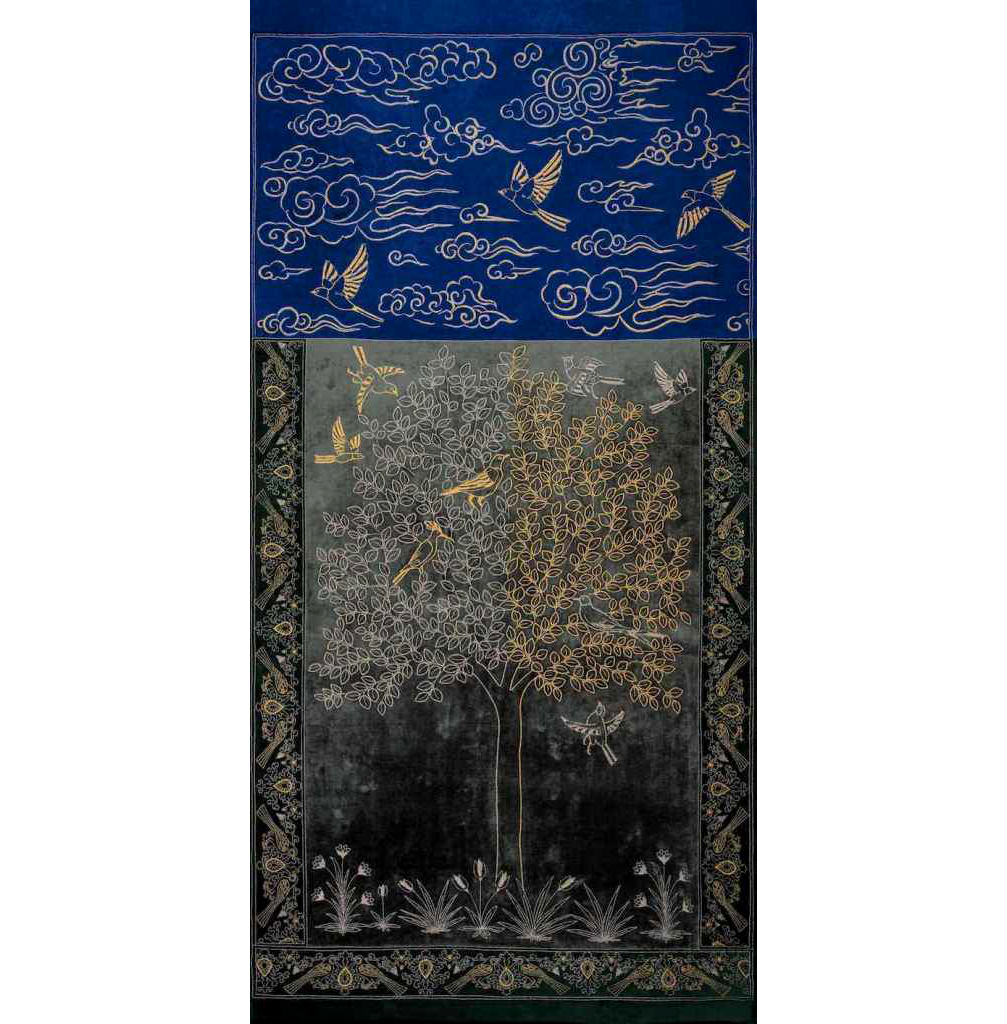 Aisha Khalid’s works investigate borders,
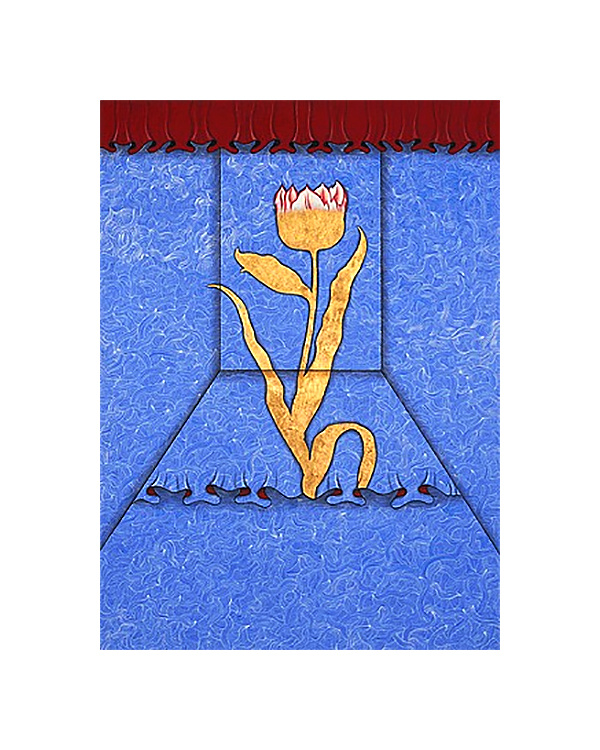 violence, femininity, and systems of control through intricate geometric and textile-inspired structures rooted in miniature traditions.
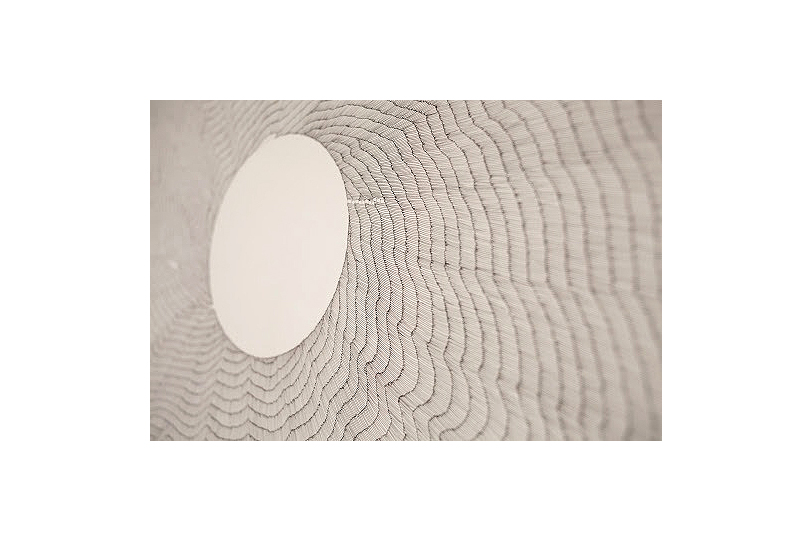 drawing systems operate between cosmological abstraction and repetitive mark-making.
Bangladesh : Political Materiality and Social Memory
Bangladesh has gradually emerged as one of South Asia’s most intellectually compelling contemporary art centres, particularly through politically conscious material practices.
Tayeba Begum Lipi  Lipi’s use of Her significance lies in transforming ordinary materials into psychologically charged political surfaces. |
||
Rokeya Sultana 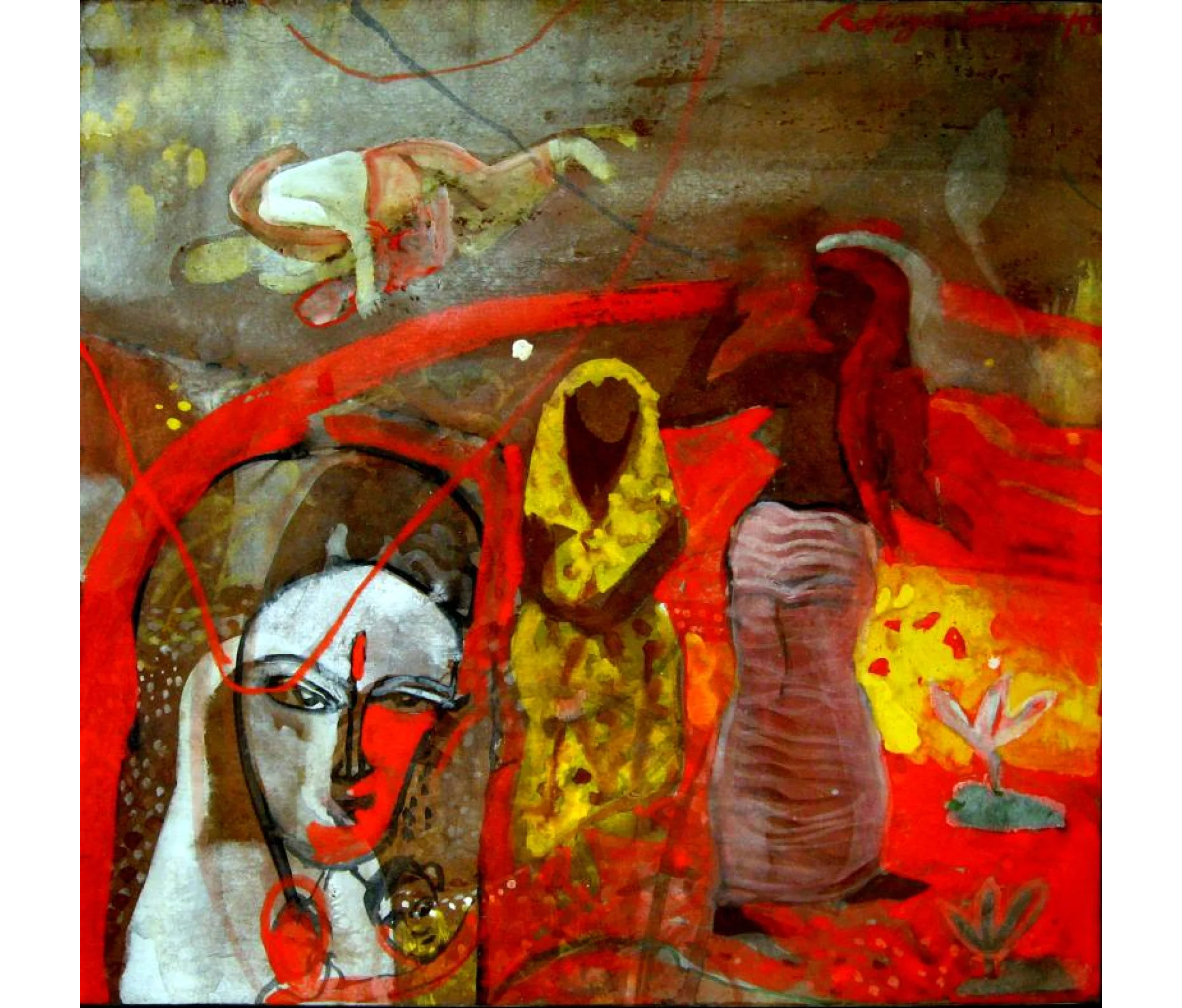
Rokeya Sultana’s workscombine Her continued relative affordability is notable considering the technical accomplishment and thematic relevance of her practice.
|
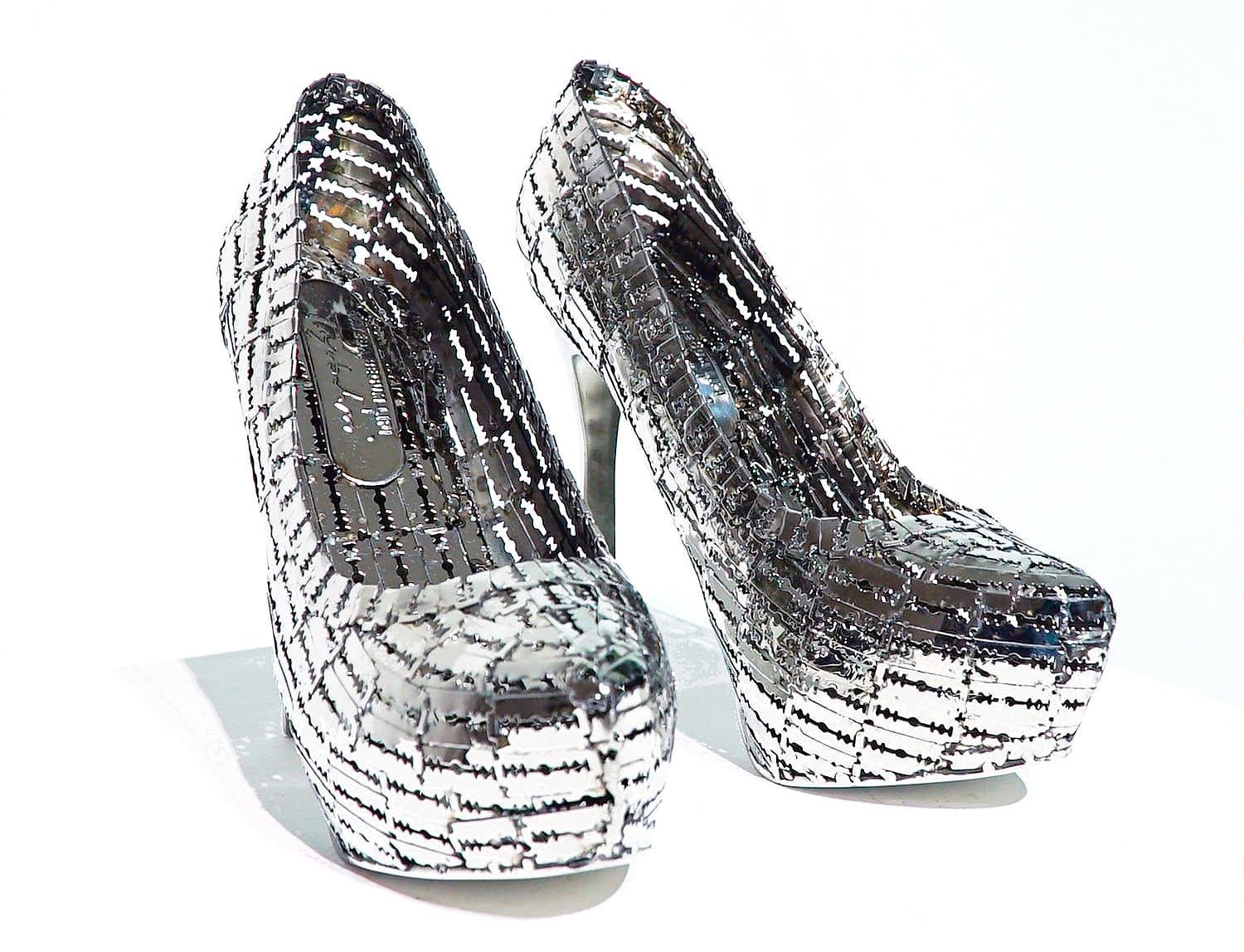 razor blades, pins, and domestic objects creates deeply unsettling reflections on violence, femininity, vulnerability, and social conditioning.
 folklore, feminist narrative, and social critique within one of South Asia’s strongest printmaking traditions.
|
The future historical significance of Asian contemporary art will not be determined solely by those artists already validated through speculative auction structures or international market branding. Increasingly, some of the most intellectually substantial and culturally resonant practices are emerging from artists working with relative independence from these systems. For serious collectors, curators, and institutions, the mid-market sector of Asian contemporary art offers an opportunity to engage with artists whose practices possess not only aesthetic quality, but also historical depth, regional specificity, and long-term scholarly importance. In this context, value should not be understood merely in financial terms, but as the convergence of artistic integrity, cultural relevance, historical positioning, and the enduring capacity of a work to remain meaningful beyond temporary market cycles. |
Most read articles
A Star Amongst Too Many: Chandra Bhattacharjee at Birla Academy of Art & Culture
Chittaprosad Bhattacharya: Art as Witness, Image as Resistance

Ramkinkar Baij’s Bronze Sculptures: A Modernist Legacy in Form and Vitality.
Mid-Market Contemporary Artists of Asia
Ajit Chakraborty (1930–2005): Form, Discipline, and the Quiet Modernism of Bengal Sculpture