Investment Perspectives in Indian Art
Understanding Rarity, Historical Importance, and Artistic Trajectory Beyond Market Speculation
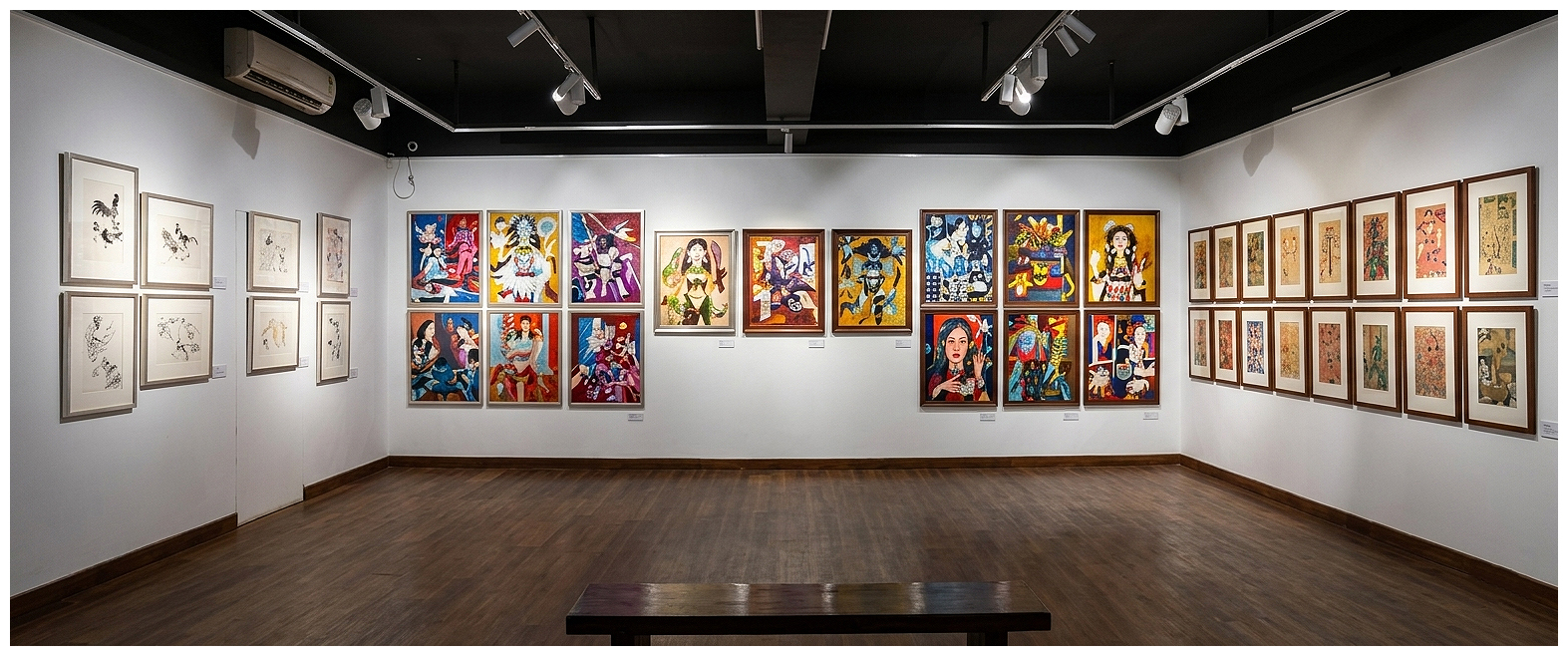 The discussion around art and investment often oscillates between two extremes. On one side lies the purely speculative market narrative driven by auction headlines and short-term price movements; on the other lies the romantic belief that art should exist entirely outside considerations of value and economics. In reality, serious collecting has historically existed somewhere between these two positions — where aesthetic engagement, scholarship, cultural significance, and long-term value intersect.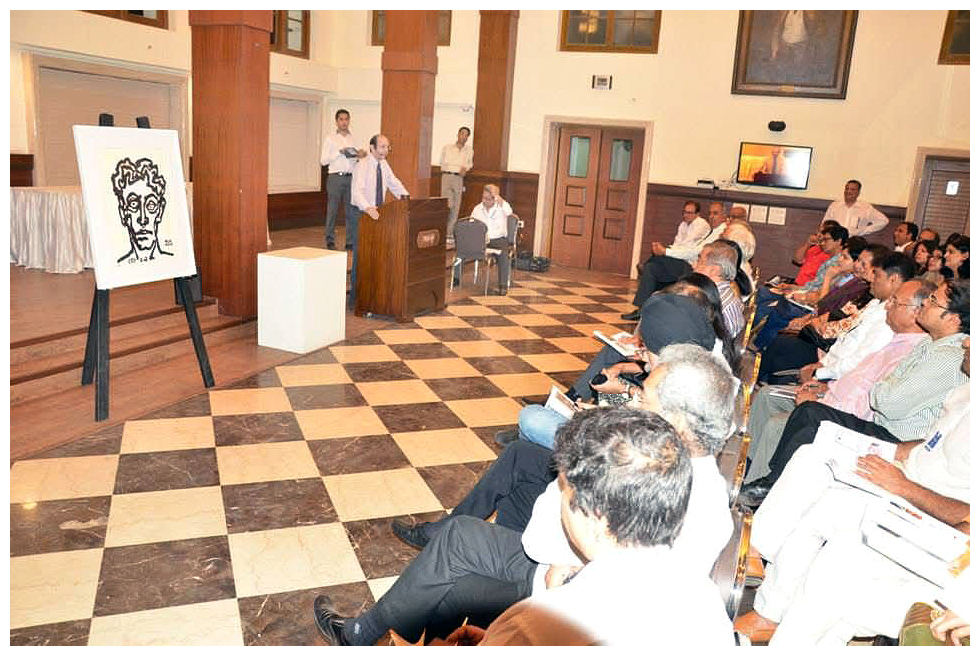
Particularly within the context of Indian modern and contemporary art, value is rarely determined by market visibility alone. Many of the most important works in private collections today were acquired long before artists became commercially dominant. Conversely, not every artist commanding temporary market attention ultimately sustains long-term institutional or historical relevance.
One of the most important value drivers in art remains rarity. However, rarity in itself is insufficient unless accompanied by artistic or historical significance. A genuinely rare work by an artist with weak historical positioning may not necessarily develop sustained collector demand. In contrast, artists whose important works rarely appear in the market often command increasing institutional and scholarly interest over time. This is especially true for works connected to major artistic transitions, landmark exhibitions, or formative periods within an artist’s career.
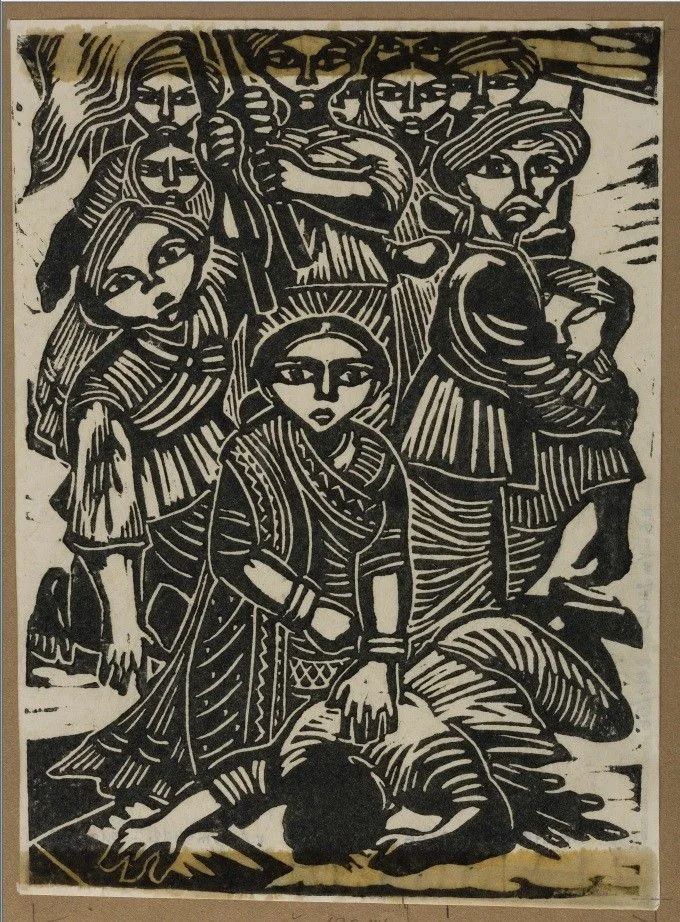
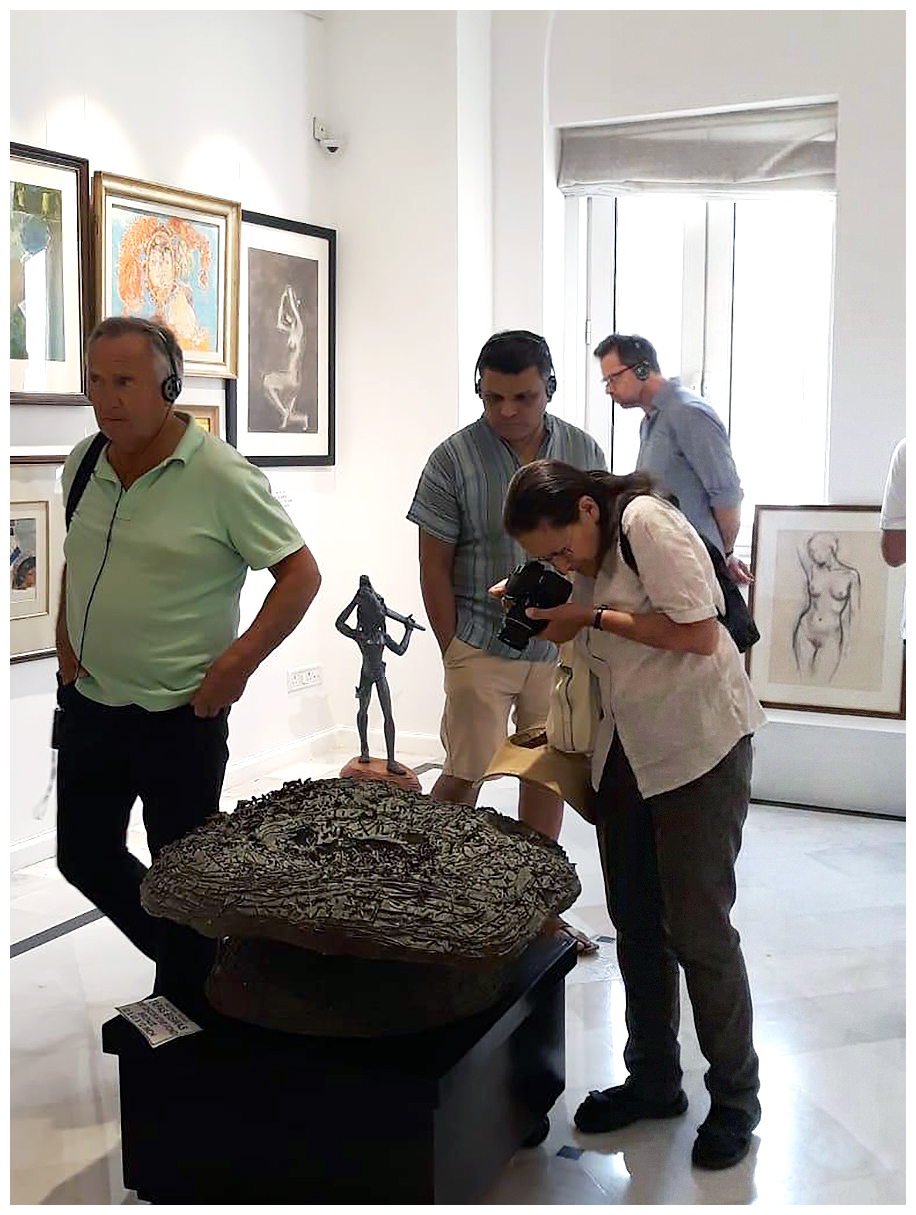 Historical importance frequently emerges as a more stable long-term indicator than short-term market momentum. Works associated with defining movements — Bengal modernism, Santiniketan experiments, Indian abstraction, progressive realism, political printmaking, or modern Indian sculpture — often acquire significance beyond their immediate commercial value. As scholarship evolves and archives expand, artists once marginalised within mainstream narratives may gradually gain renewed institutional visibility.
In many cases, artists with relatively stable but intellectually respected practices prove more resilient over decades than artists experiencing rapid speculative spikes. This is particularly visible in the Indian context, where scholarship and institutional recognition often develop more slowly than market cycles.
Medium and materiality also influence long-term value perception. Important works on paper, early watercolours, sculptures, prints, or experimental mixed-media works are often underestimated relative to paintings despite their historical relevance. As collections mature, many collectors begin to appreciate the importance of medium diversity and the role such works play within an artist’s broader practice.
Condition, provenance, and documentation remain equally significant. A work with strong exhibition history, publication references, gallery provenance, or archival documentation frequently carries greater institutional confidence than a visually similar but undocumented work. Increasingly, collectors are recognising that supporting material — catalogues, exhibition records, archival photographs, and critical essays — forms part of an artwork’s long-term cultural value.
At the same time, one must recognise that art does not behave like conventional financial assets. 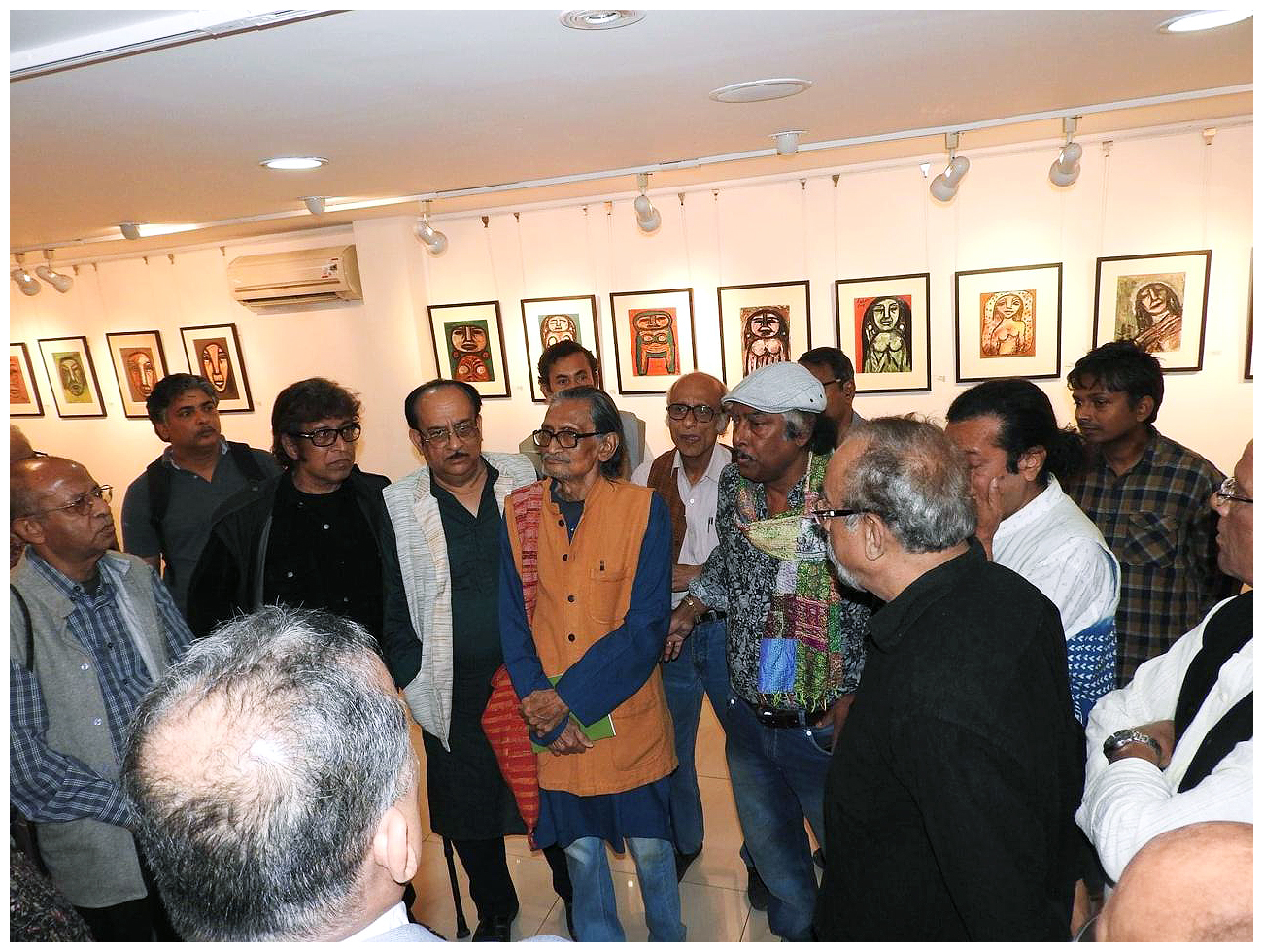 Liquidity cycles, collector sentiment, institutional interest, and cultural shifts all influence valuation in ways that cannot always be predicted through purely economic models. The art market rewards patience more often than immediacy.
For younger collectors especially, the present moment offers an interesting opportunity. While a handful of blue-chip Indian modernists dominate public visibility, there remains substantial scope in historically important but comparatively undervalued artists across painting, sculpture, printmaking, and regional modern traditions. As research deepens and digital access expands, many overlooked practices are beginning to enter broader conversations around Indian art history.
Ultimately, the most meaningful collections are rarely built through speculation alone. They emerge through sustained engagement — looking, reading, researching, revisiting, and gradually developing conviction. Financial appreciation may follow, but it is often the by-product of cultural and intellectual relevance rather than its substitute.
In the long run, art retains value not merely because it is scarce, but because it continues to matter.
- Research & Compiled by Aakriti Art Gallery team

Comments
Join the Discussion
Please login to post comments.
Login